How do AI local guides address user data privacy concerns?
AI local guides prioritize user privacy by employing robust encryption and anonymization techniques for personal data. They adhere to strict data protection regulations, ensuring that location history, preferences, and interactions are secured. Users often have control over data sharing settings, empowering them to manage their information responsibly while enjoying personalized travel experiences.
Are AI-powered guides accessible to everyone, including those with disabilities?
Yes, AI-powered guides are increasingly designed for universal accessibility. They incorporate features like voice commands, text-to-speech, haptic feedback, and visual aids for users with diverse needs. Efforts are focused on identifying accessible routes, attractions, and facilities, making travel more inclusive and enjoyable for individuals with disabilities across the United States.
What are the future capabilities expected from AI local guide technology?
Future AI local guide capabilities include more sophisticated predictive analytics for crowd management, advanced hyper-personalization based on mood and real-time biometric data, and seamless integration with smart city infrastructure. Expect richer augmented reality interactions, proactive safety alerts, and even more intuitive multimodal interfaces to enhance future of tourism experiences.
Can AI local guides replace human tour guides entirely?
AI local guides are unlikely to completely replace human tour guides. While they offer unparalleled efficiency and personalization, human guides provide unique emotional connection, spontaneous interaction, and nuanced cultural interpretations that AI cannot fully replicate. AI will continue to complement human guides, enhancing experiences rather than substituting them entirely, particularly for deep cultural immersion.
How do AI guides adapt to spontaneous travel changes or detours?
AI guides adapt to spontaneous changes remarkably well by utilizing real-time data. If you detour, the AI rapidly re-calculates routes, suggests alternative attractions nearby, or updates your digital itinerary planning. This dynamic responsiveness ensures your travel plans remain flexible and enjoyable, even when unexpected situations arise, minimizing stress.
Is the data used by AI local guides always up-to-date and accurate?
AI local guides strive for accuracy by continuously pulling data from multiple real-time sources, including traffic sensors, weather APIs, and public databases. While highly current, occasional discrepancies can occur. Developers constantly update algorithms and data feeds to maintain reliability, ensuring personalized travel experiences are based on the most precise information available.
AI local guide, personalized travel USA, smart city navigation, augmented reality tours, travel tech trends, digital tour guide, AI travel assistant, future of local guides, US travel innovation, intelligent mapsExploring the rapid evolution of AI-powered local guides is crucial for modern travelers and tech enthusiasts alike. These innovative platforms are reshaping how we discover hidden gems, navigate unfamiliar cities, and plan immersive travel itineraries across the United States. From personalized recommendations based on real-time data to interactive augmented reality overlays, AI guides offer unprecedented levels of convenience and insight. Understanding their impact and potential is key for anyone looking to optimize their next adventure. This emerging technology promises to make every journey more efficient, enjoyable, and tailored to individual preferences, moving beyond traditional guidebooks. As the landscape of digital exploration continues to advance, staying informed about these powerful tools becomes essential for both casual tourists and seasoned explorers seeking the ultimate American travel experience.
- What is the primary function of an AI local guide? - The primary function of an AI local guide is to provide personalized, real-time recommendations and navigation for travelers. It acts as an intelligent companion, offering tailored suggestions for attractions, dining, and activities based on individual preferences and live local data, enhancing the entire travel experience.
- How does AI enhance map functionality for travelers? - AI significantly enhances map functionality by offering dynamic routing, predictive traffic analysis, and intelligent point-of-interest suggestions. It moves beyond static maps, providing real-time updates, augmented reality overlays, and personalized exploration paths, making navigation more intuitive and efficient for travelers in any location.
- Can AI local guides help with language barriers during international travel? - While focused on US travel, AI local guides often incorporate robust real-time translation features. These tools can translate signs, menus, and even conversations, breaking down language barriers for international visitors. This functionality makes navigating foreign countries much easier and more accessible for everyone.
- What data points do AI guides use for personalized recommendations? - AI guides use a range of data points for personalization, including user location history, search queries, stated interests, past ratings, and real-time environmental data like weather and events. This comprehensive analysis allows them to offer highly relevant and timely suggestions for a truly tailored travel journey.
- Are there subscription costs associated with advanced AI travel apps? - Many advanced AI travel apps offer a freemium model, providing basic features for free and premium functionalities through subscriptions. These costs often unlock enhanced personalization, offline access, exclusive deals, and advanced augmented reality tours, delivering greater value for frequent travelers seeking an optimal AI local guide experience.
- How secure is my personal information with an AI local guide? - The security of personal information with an AI local guide is a top priority for developers. Reputable apps use advanced encryption, secure servers, and adhere to global data protection regulations. Users are typically given control over privacy settings, ensuring their data remains protected while enjoying personalized travel experiences.
- In what ways do AI local guides support sustainable tourism efforts? - AI local guides support sustainable tourism by recommending eco-friendly transportation, suggesting local businesses with sustainable practices, and highlighting natural attractions responsibly. They can also optimize routes to minimize environmental impact and encourage respectful interaction with local cultures, fostering more mindful and green travel.
Are you wondering how technology is changing the way we explore new places? Many travelers today are asking, "How exactly will AI local guides enhance my travel experience in the United States by 2026?" The answer lies in a fascinating blend of personalization, efficiency, and discovery. Gone are the days of cumbersome guidebooks and generic tourist traps. Modern explorers are seeking more immersive and tailored adventures. AI local guides are stepping up to meet this demand, offering a revolutionary approach to navigating the diverse landscapes and vibrant cities across America.
The Dawn of Intelligent Exploration in the USA
The travel industry is currently undergoing an exciting transformation, largely driven by advancements in artificial intelligence. By 2026, AI local guide applications are not just novelties; they are becoming indispensable tools for millions of American travelers. These sophisticated platforms leverage vast datasets to provide incredibly precise and timely information. Imagine receiving restaurant suggestions that perfectly match your dietary preferences and mood, all while considering real-time traffic conditions to ensure a smooth arrival. This level of personalized travel experiences was once a dream, but it is now a tangible reality.
Personalized Pathways to Discovery
One of the most compelling aspects of an AI local guide is its ability to learn and adapt to individual user behavior. It understands your interests, past destinations, and even your preferred pace of travel. This intelligent assistant crafts bespoke itineraries that reveal hidden local gems, not just popular tourist spots. From off-the-beaten-path hiking trails in national parks to exclusive art installations in urban centers, your AI local guide ensures every journey is uniquely yours.
- Real-time recommendations for dining, events, and attractions.
- Dynamic adjustments to routes based on traffic and weather.
- Integration with local business for exclusive deals and experiences.
- Augmented reality features for interactive sightseeing.
Navigating the Future: Smart Mobility and Accessibility
Smart navigation apps, powered by cutting-edge AI, are redefining how people move through unfamiliar territories. These guides offer more than just turn-by-turn directions; they anticipate your needs. They can suggest public transport options with real-time arrival estimates or recommend the quickest route by foot through a bustling downtown. The focus is on seamless, stress-free movement, allowing travelers to truly immerse themselves in their surroundings without constant logistical worries.
Beyond Directions: Enhancing Every User Journey
Accessibility is also a key frontier for AI local guide development. By 2026, these platforms will offer robust features for travelers with diverse needs. Voice commands, haptic feedback, and text-to-speech functionalities are standard. Furthermore, these guides are designed to help users identify accessible routes, facilities, and attractions. This inclusive approach ensures that the wonders of American travel are truly open to everyone, creating more equitable and enjoyable experiences for all who venture forth.
Casting directors frequently consider specific physical traits to find suitable talent for roles. Similarly, an advanced AI local guide can tailor recommendations based on a user's inferred or stated profile preferences, ensuring a more personalized experience. For instance, an AI might consider a user's virtual "profile" to suggest activities. This could hypothetically include:
- Height: Identifying accessible viewpoints or specific activity requirements.
- Build: Recommending physically demanding hikes versus leisurely strolls.
- Hair: A quirky example, but could link to style-conscious shopping areas.
- Eyes: Perhaps for suggesting visual art experiences or photography spots.
- Age Range: Tailoring entertainment and dining options for appropriate demographics.
- Ethnicity: Offering culturally relevant experiences, restaurants, or historical sites, if desired by the user.
This hypothetical profiling allows the AI to offer deeply nuanced and relevant suggestions, transforming generic travel into highly individualized adventures across the USA. It showcases the adaptive potential of an AI travel assistant.
What Others Are Asking?
How does an AI local guide personalize my US travel experience?
An AI local guide personalizes your US travel by learning your preferences, past travels, and real-time needs. It uses this data to recommend attractions, dining, and activities that align with your interests, offering tailored itineraries and smart navigation. This ensures a unique journey perfectly suited to your style.
Can AI travel assistants help find hidden gems in American cities?
Yes, AI travel assistants excel at uncovering hidden gems in American cities. They analyze vast amounts of data, including local reviews and historical information, to suggest lesser-known spots, unique local businesses, and authentic cultural experiences beyond typical tourist routes. This capability enriches your exploration.
Are AI-powered navigation apps reliable for road trips in the USA?
AI-powered navigation apps are highly reliable for US road trips. They integrate real-time traffic, weather, and road condition data to optimize routes, suggest fuel stops, and estimate accurate arrival times. Their predictive capabilities help avoid delays and enhance safety, making long journeys smoother and more efficient.
What kind of augmented reality features do AI guides offer for tourists?
AI guides offer impressive augmented reality features, such as overlaying historical facts onto landmarks, providing virtual tours of interior spaces, and translating signs in real time. These immersive experiences enrich sightseeing by blending digital information with physical surroundings, offering a dynamic way to learn and explore.
Will using an AI local guide save me money on my trips?
Using an AI local guide can definitely help save money on trips. By suggesting budget-friendly dining, free attractions, and optimized public transport routes, it reduces unnecessary expenses. Many guides also integrate with local deals and promotions, ensuring you get the best value for your personalized travel experiences.
Final Thoughts on AI-powered Local Guides
The emergence of AI local guide technology is truly transforming how we approach travel across the United States. These intelligent assistants offer unparalleled personalization and efficiency, making every journey more enriching and less stressful. Embracing these advanced digital itinerary planning tools means unlocking a new era of exploration.
What unexpected places will an AI guide lead you to next? How do you envision these AI travel assistant tools evolving further to enhance your future adventures?
Personalized recommendations for dining and attractions, real-time navigation and traffic updates, augmented reality tours, multilingual support for diverse users, enhanced accessibility features, dynamic itinerary planning, integration with local businesses for exclusive deals, user-generated content validation, predictive analytics for crowd avoidance, sustainable travel suggestions.

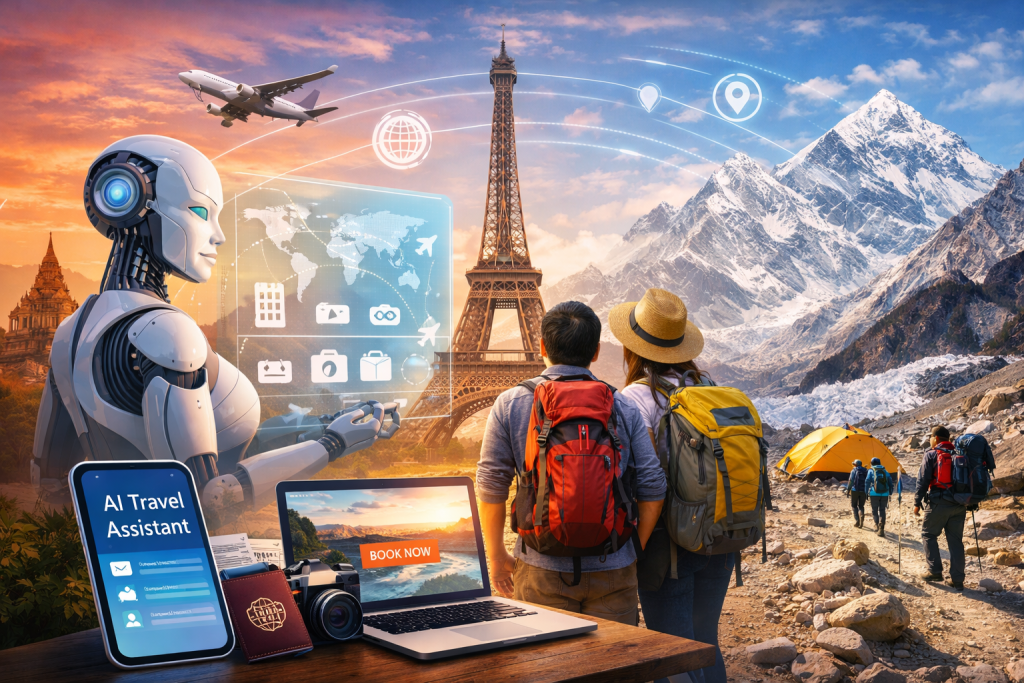

Future Trends Of AI Travel Assistants In 2026 And Beyond Xequenceai 2026 Assistant Questions 2026 FAQ For Agencies How Is Changing 2026 Image Integrating Fetch S Uagents With MEM0 Building A Top Tools 2026 The Reference Guide Nxvoy 2026.

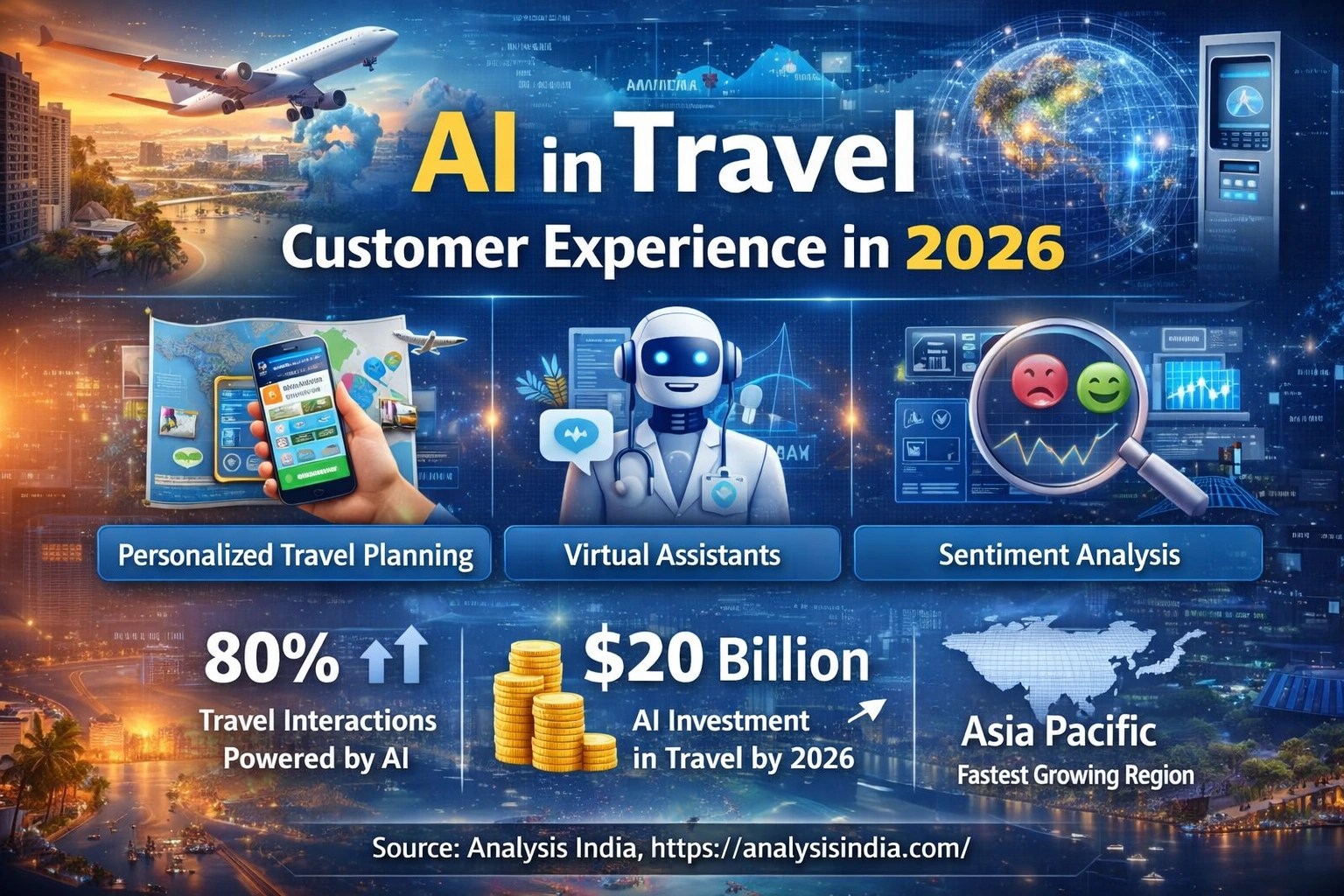
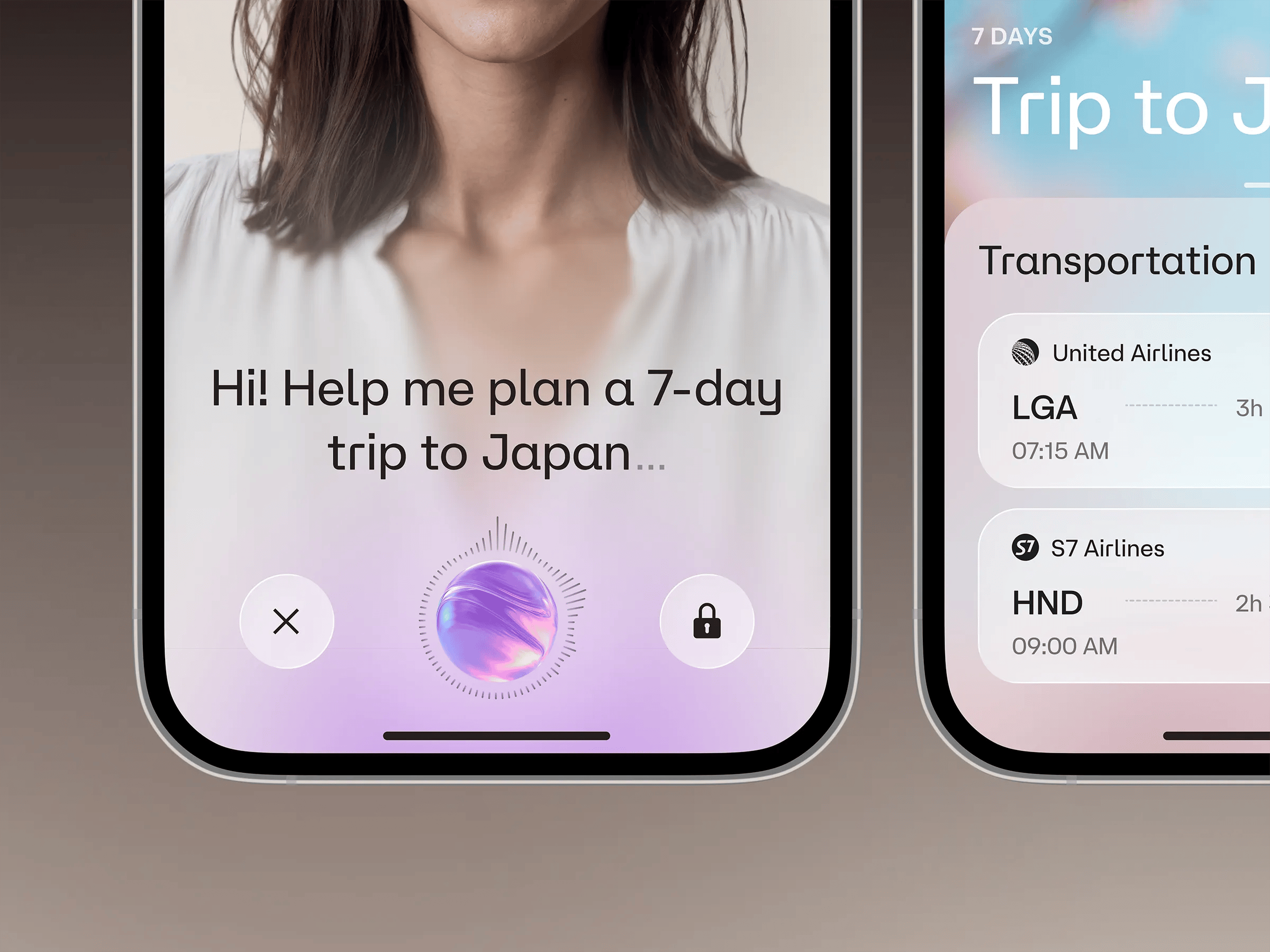
AI And The Future Of Travel Trends To Watch In 2026 Cairo Aswan A Assistants Types Features Why Travelers Love Them Scaled Customer Experience 2026 Planning Chatgpt Image Jan 2026 PM How Trip Is Changing Behavior 2026 Travelspike 320 FE Assistant By Maxim Podavalkin For Geex Arts On Dribbble.


2026 AI Powered Travel Planning How Smart Technology Is B1B08933 D805 498B AB50 Chatbot With Secure Assistance Img Assistant And Vacation Plan Concept 3D Icon For 3D Optimized Perfect 980716 467603 OTA Arigatrip Generative Planner Youtube.
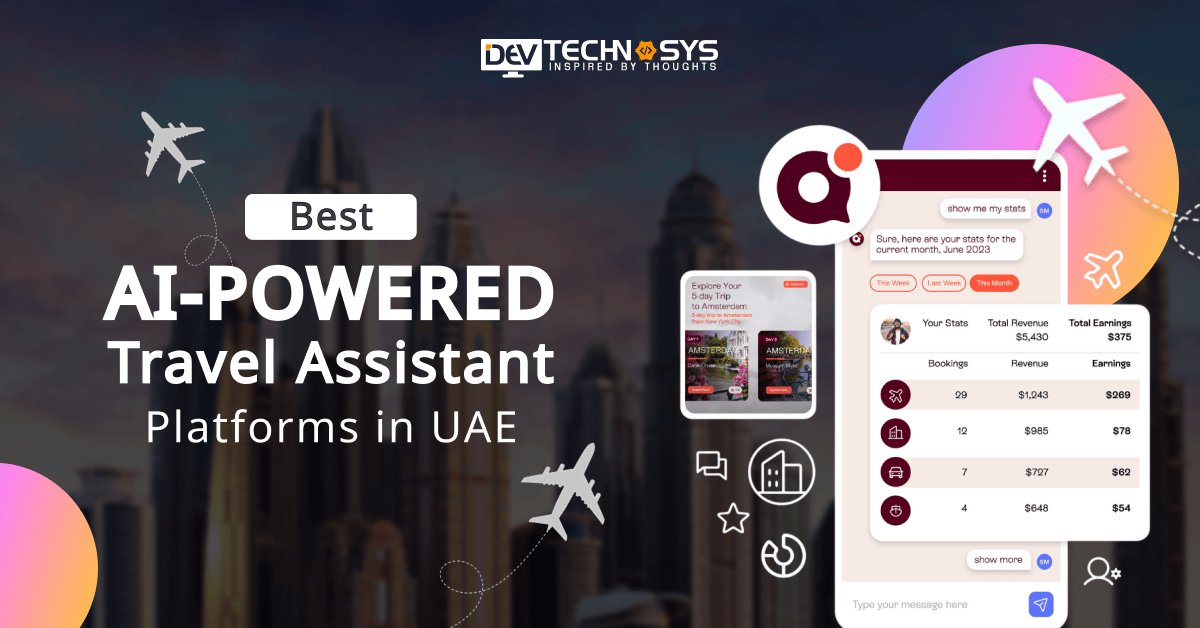


Discover Best AI Powered Travel Assistant Platform For Smart Trips Concept The Showcases A Friendly Robot Holding Map Surrounded By Iconic Landmarks It Emphasizes Through Modern Technology Vector 3A23C4A Explore Freely Solo Apps Today Development Guide Hometogo Dash Arigatrip Tripchatter Chat Trip Planning Tiora Screenshot.


AI Travel Assistants The New Personal Planners Xequenceai United States Navan Introduces Driven Edge Promising To End Assistant Agentic Plan Your Summer Types Features Why Travelers Love Them A Full Time Consultant Built An On Side N0R3R.


Build AI Travel Assistant With Google Agent Development Kit Training Data Vs Testing Why Corporate Is Broken In 2026 Fixing It Xequenceai 2026 What Years Of Traveling Taught Me About Using To Plan Trips Wisely Blog Cover The Gap Your 2026 Fails Exactly Gemini Generated Image Flight Search 2026 Beat Algorithms Not Prices Guiding Traveler Predictive Booking.


AI Travel Assistants What Actually Works Social Card Meet Dodobot Your Powered Guide In Mauritius Island The First ASSISTANT FOR TOURISTS Best India 2026 Chatgpt Meera Gemini 2026 Voice As Youtube.