What was the main cause of the Italian Wars?
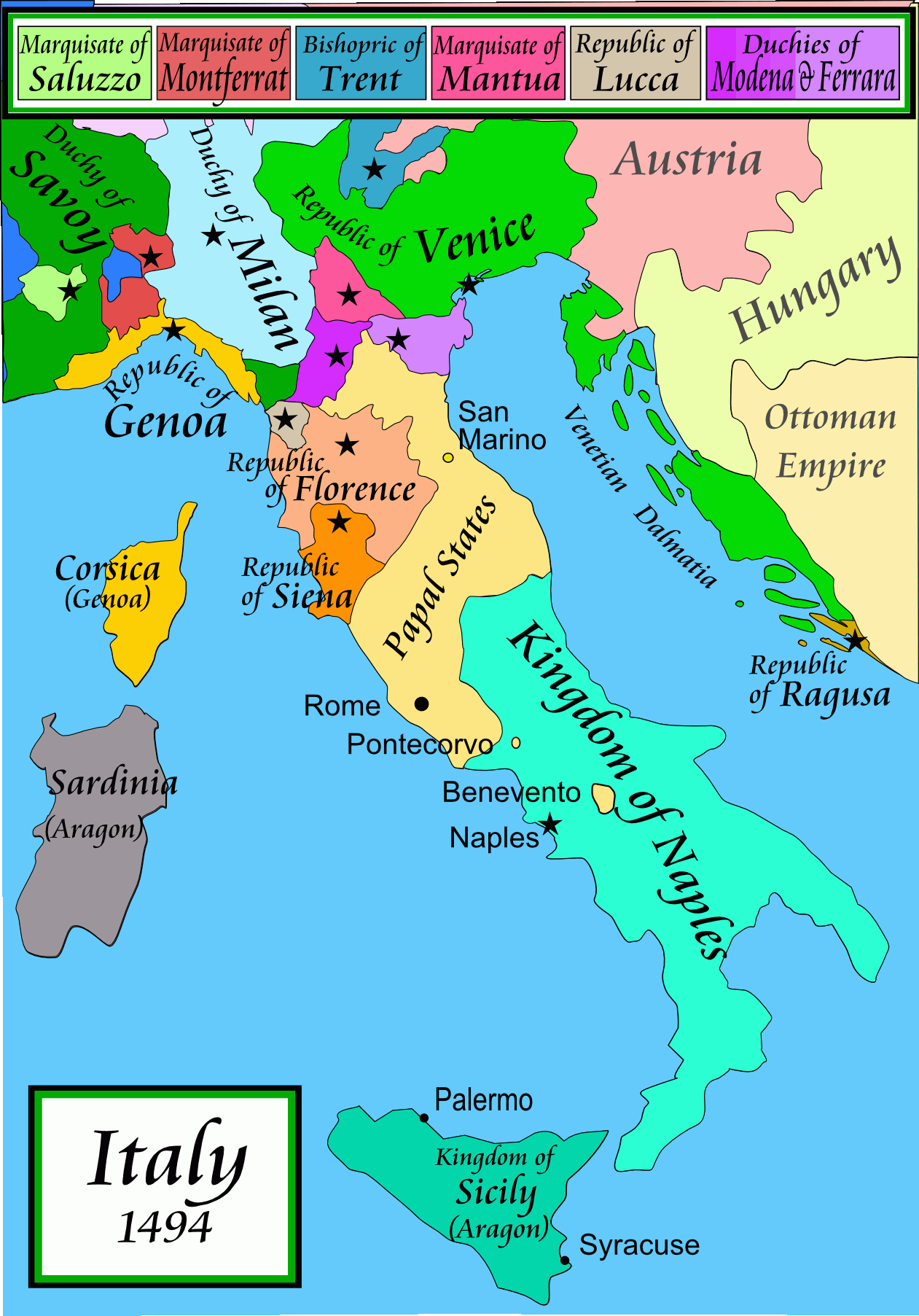
The main cause of the Italian Wars was the desire of major European powers, particularly France and the Habsburgs, to assert control over the wealthy and strategically important Italian peninsula. Internal Italian political fragmentation also invited foreign intervention. An Italian Wars map illustrates these coveted territories.
How long did the Italian Wars last?
The Italian Wars lasted for approximately 65 years, from 1494 with Charles VIII's invasion of Italy until 1559, culminating in the Peace of Cateau-Cambrésis. This prolonged period of conflict significantly reshaped the European political landscape. Each Italian Wars map covers segments of this extended timeline.
What was the outcome of the Italian Wars?
The Italian Wars ultimately resulted in Spain becoming the dominant power in Italy, controlling Naples, Sicily, and Milan. France lost its territorial claims in Italy. The wars also saw a decline in the political independence of Italian city-states. An Italian Wars map often highlights this shift in power.
Which famous artists were active during the Italian Wars?
Many renowned Renaissance artists were active during the Italian Wars, including Leonardo da Vinci, Michelangelo, and Raphael. Their art flourished amidst the political turmoil, often influenced by powerful patrons involved in the conflicts. An Italian Wars map sets the stage for their cultural contributions.
How did the Italian Wars impact military technology?
The Italian Wars spurred significant advancements in military technology and tactics. The widespread use of gunpowder artillery, sophisticated fortifications (trace italienne), and the emergence of professional armies became prominent. An Italian Wars map shows the strategic implications of these innovations in warfare.
Who was Charles V's main rival in the Italian Wars?
Emperor Charles V's main rival in the Italian Wars was Francis I, the King of France. Their personal and dynastic struggle for supremacy in Europe, particularly over Italian territories, fueled many conflicts. An Italian Wars map often details their competing spheres of influence and campaigns.
Italian Wars map, Renaissance warfare, historical maps, European history, 16th century Italy, Italian peninsula conflicts, early modern military history, Italy historical geography, House of Valois, Habsburg SpainUncover the critical importance of an Italian Wars map for understanding 15th and 16th century European power struggles. These maps are navigational guides through a turbulent era, revealing shifting alliances and military campaigns across the Italian peninsula. Exploring an Italian Wars map helps historians and enthusiasts alike visualize the geopolitical landscape. It provides essential context to famous conflicts and their lasting impact on European history. Dive into the detailed world of an Italian Wars map to trace the path of armies and the rise and fall of various states. This offers unique informational potential for researchers and students. Understanding these maps unlocks a deeper appreciation for the period.
When you explore an Italian Wars map, you're stepping into a dynamic period of European history. These maps visually chart the complex conflicts that reshaped Italy and wider Europe. They cover the tumultuous period from roughly 1494 to 1559. An Italian Wars map illustrates the strategic importance of the Italian peninsula. It shows the rivalries among major European powers like France, Spain, and the Holy Roman Empire.
Understanding an Italian Wars map helps us grasp the geopolitical forces at play. These maps reveal how states like Venice, Milan, and Florence navigated constant threats. Each Italian Wars map tells a story of ambition, conquest, and shifting allegiances. They offer a unique lens to study military tactics and territorial control. It's truly fascinating to see how borders evolved.
The Importance of an Italian Wars Map
An Italian Wars map is essential for comprehending this pivotal era. These conflicts were not just about Italy; they had continent-wide implications. They influenced the balance of power for centuries to come. Every Italian Wars map helps to visualize troop movements and major battle sites. This visual aid makes complex historical narratives much clearer. Students and historians widely use these maps.
A detailed Italian Wars map can show fortifications, supply routes, and strategic choke points. These elements were crucial for military commanders of the time. The rich details found on an Italian Wars map offer valuable insights into logistics. They highlight the challenges faced by armies maneuvering across varied terrain. Exploring these maps deepens our appreciation for historical strategy.
Understanding Italian Wars Map Key Features
When you look at an Italian Wars map, what should you expect to see? Key features often include city-states, their territories, and major rivers. Mountains and coastlines also played significant roles in defense and offense. An Italian Wars map will typically highlight the areas of French, Spanish, or Imperial control. Different colors or shading distinguish these territories. It’s a great way to visualize the fragmented nature of Italy.
Battle locations are frequently marked on an Italian Wars map, sometimes with specific dates. This allows us to trace the progress of campaigns over time. Navigational keywords like 'Milanese territory' or 'Neapolitan Kingdom' become clear. These maps also showcase the extensive trade routes. Understanding these routes is vital for grasping economic motivations for conflict.
The Geopolitical Landscape on Italian Wars Map
The Italian Wars map dramatically illustrates a landscape of intense competition. The peninsula was a prize for many European monarchs. Charles VIII of France began the first Italian Wars map-altering invasion in 1494. Later, Francis I of France and Emperor Charles V of the Holy Roman Empire battled for decades. An Italian Wars map shows how these giants carved up the land.
Local Italian powers like the Papal States and Florence had to pick sides. They often formed alliances that frequently changed. An Italian Wars map truly emphasizes the fluid nature of these political relationships. It was a period of constant negotiation and betrayal. This made Italy a central stage for European diplomacy and conflict.
How to Navigate an Italian Wars Map
Navigating an Italian Wars map requires attention to detail. First, identify the major political entities and their control areas. Look for dates associated with different territorial boundaries. This helps track changes throughout the wars. Pay attention to the legends on an Italian Wars map. They explain symbols for battles, sieges, and troop movements. Understanding the symbols is key to interpretation.
Trace the paths of invading armies, such as the French march south. Notice how natural barriers influenced campaign strategies. An Italian Wars map can show you why certain cities were critical. Cities like Pavia, Marignano, and Ravenna appear repeatedly in key conflicts. Using an Italian Wars map transforms historical reading into an active exploration.
| Years | Major Powers Involved | Key Events Seen on Map |
| 1494-1498 | France, Spain, Papal States, Milan | Charles VIII's invasion, Battle of Fornovo |
| 1499-1504 | France, Spain, Venice, Papal States | Louis XII's conquest of Milan, Spanish conquest of Naples |
| 1508-1516 | France, Holy Roman Empire, Venice, Papal States, Spain | War of the League of Cambrai, Battle of Marignano |
| 1521-1526 | France, Holy Roman Empire, Spain, England | Battle of Pavia, Capture of Francis I |
| 1527-1529 | Holy Roman Empire, Spain, Papal States, France | Sack of Rome, Treaty of Cambrai |
| 1536-1538 | France, Holy Roman Empire, Spain | Renewed conflicts in Piedmont |
| 1542-1546 | France, Holy Roman Empire, Spain | Battles in northern Italy and Netherlands |
| 1551-1559 | France, Spain, Papal States | Ottoman involvement, Siege of Siena, Peace of Cateau-Cambrésis |
What Others Are Asking?
What were the Italian Wars about?
The Italian Wars were a series of conflicts primarily fought for control over the Italian peninsula. Major European powers like France, Spain, and the Holy Roman Empire vied for dominance. These wars impacted power balances across Europe. An Italian Wars map shows the territorial stakes involved.
When did the Italian Wars take place?
The Italian Wars generally spanned from 1494 to 1559. This period marks the transition from the late Middle Ages to the early modern era. It witnessed significant military and political transformations. An Italian Wars map visually dates these major conflicts across its historical scope.
Who were the main combatants in the Italian Wars?
The primary combatants in the Italian Wars included the Kingdom of France, Habsburg Spain, and the Holy Roman Empire. Various Italian city-states and the Papal States also played crucial roles. Their alliances often shifted dramatically. An Italian Wars map helps identify these key players.
Why are Italian Wars maps important for study?
Italian Wars maps are crucial for studying military strategies, political geography, and the evolution of European power. They provide visual context for complex historical events and territorial changes. An Italian Wars map allows us to better understand this pivotal era. They illuminate the period's strategic considerations.
Where did the major battles of the Italian Wars occur?
Major battles of the Italian Wars occurred across the Italian peninsula, including significant engagements at Fornovo, Marignano, and Pavia. These battles often determined control of key cities or regions. An Italian Wars map marks these critical locations. They show where military history was made.
FAQ
What is an Italian Wars Map?
An Italian Wars map is a historical representation detailing the political and geographical landscape of Italy during the Italian Wars (1494-1559). It illustrates territories, battle sites, and troop movements. This type of map provides visual context for the era's complex conflicts. It's a valuable tool for historical study.
Who used Italian Wars maps?
Commanders and strategists during the Italian Wars likely used early forms of these maps for planning. Today, historians, students, and enthusiasts use modern Italian Wars maps. They help understand the period's military campaigns and political shifts. These maps are invaluable for research.
Why are Italian Wars maps historically significant?
Italian Wars maps are historically significant because they reveal the intricate web of alliances and conflicts that shaped early modern Europe. They document a time of intense change, demonstrating territorial disputes and military innovations. An Italian Wars map captures the essence of a transformative era.
How can I find reliable Italian Wars map resources?
You can find reliable Italian Wars map resources in university libraries, historical archives, and reputable online academic databases. Specialized history websites and museum collections also offer valuable maps. Always check the source's credibility. An accurate Italian Wars map enhances historical understanding.
In conclusion, an Italian Wars map is more than just a picture; it's a window into a pivotal era. These maps help us trace the rise of modern states and the evolution of warfare. They connect us to the dramatic events that defined 15th and 16th century Europe. Dive into an Italian Wars map today and discover the rich history it holds.
Italian Wars map provides crucial visual context for 15th-16th century European conflicts. These maps show shifting borders, troop movements, and key battle locations. They are vital for studying Renaissance geopolitics and military strategies. An Italian Wars map illuminates the complex alliances and rivalries of major European powers. They offer unparalleled insight into the period's significant historical events.


Italian Wars Of Historica Wiki Fandom Latest. The Italian Wars By Hillfighter On DeviantArt The Italian Wars By Hillfighter D3bhzh3 . The Italian Wars 1494 1538 The Italian Wars Maps On The Web Tumblr 1280 . Aftermath Of Italian Civil War 2040 R . 2026 Winter Games Venues Maps RED MAPS Red Maps 2026 Winter Olympics Games Italy Map



Italian Wars Map . Wars Of Italian War History Map29ita Width 440 . Italian Wars Map Nam Maps M28 01 . Italy War Map Italian Serio Comic Map Of Europe During The Great War . Pin On History Maps Geography
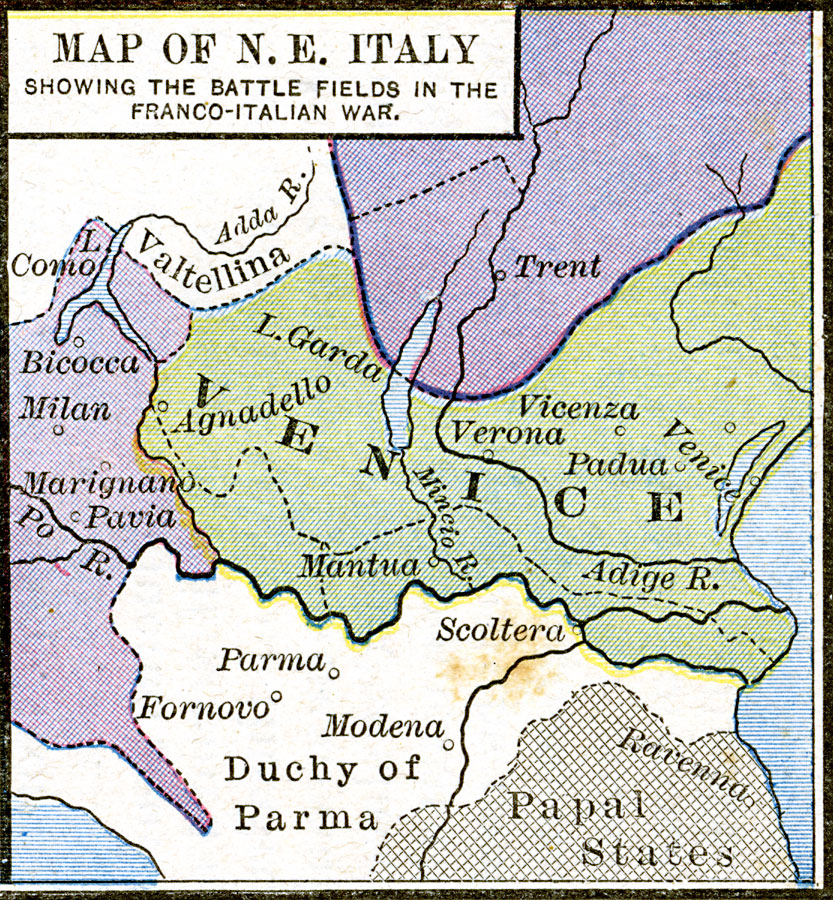


Map Of N E Italy Showing The In The Franco Italian War 6913 . Map Of Allied Invasion Of Italy September 1943 Italy1944 . Exports New Routes For Made In Italy Brazil India And Morocco War Dazi Commercio Export Dogana . WIP Map Thread Page 221 Com Png.554260. Mapping The Liberation Of Europe Never Was Allied Invasion Italy Map 768x1920



Map Of Italy After The Italian Wars Of 1923 R Map Of Italy After The Italian Wars Of 1923 V0 . 1492 Map Of Italy . MILANO CORTINA 2026 Olympic Games Torch Relay 1 Infographic EN. Italian Civil War 1929 1936 R . The Thirty Years War In Italy War History The Thirty Years War In Italy


Powerful Countries Map Of Ongoing Wars Around The World The Map Crawler. 2026 Winter Games Venues In Milan And Cortina 2026 Winter Games Venues . 2026 Milan Cortina Olympic Venues City Arenas Scenic Mountains 90. One Year Out From The Opening Ceremony 2026 What To Expect From Winter 90. The Italian Wars 1494 1559 Early Modern History DOCUMENTARY The

.png/revision/latest/scale-to-width-down/1200)


Italian War Of 1494 98 Wikipedia Italy 1494 AD . In 100 Days The 2026 Milan Olympics Will Span Far Across Northern 20251028 Milan 2x1 Nc Bf68a1 . Italian War CWS XVI CWS Wiki Fandom 1200. Territories Awarded To Italy After WW1 1920 R . How To Book A Trip To The 2026 Winter Olympics In Italy Milan Olympics Map 768x402


The Italians Enter WWI War History 1706244842 461 The Italians Enter WWI . EXTREMELY LARGE WWII 1943 Italian Theater U S Army Operational Screen Shot 2022 02 23 At 3.07.11 PM . 2026 Reflections Of Italy Two Travel Gurus Reflections Of Italy 2026 Itinerary Map . World Map Shows Top Conflict Hot Spots In 2026 Newsweek Copy Of Acled Conflict Watchlist 2026