Which Ohio counties have the highest population density?
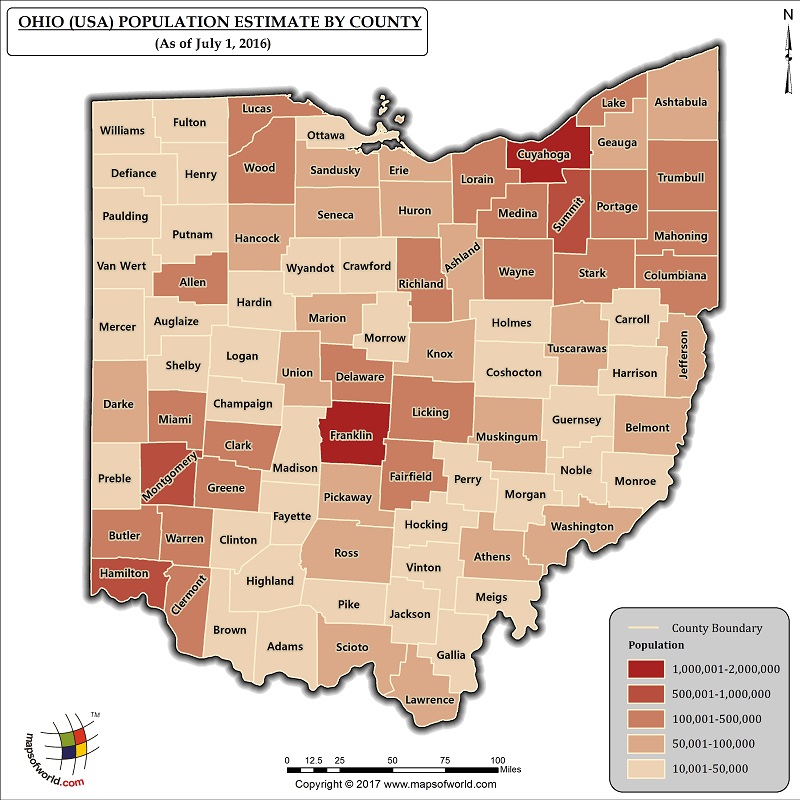
Franklin County, housing Columbus, leads Ohio in population density. Cuyahoga County, home to Cleveland, and Hamilton County, encompassing Cincinnati, also exhibit very high densities. These three metropolitan regions are the economic and cultural centers of Ohio, attracting significant populations. Their dense urban footprints are clearly visible on any population density map of Ohio.
What does a low population density on an Ohio map signify?
Low population density on an Ohio map typically signifies rural, agricultural, or heavily forested areas. These regions have fewer residents per square mile, often characterized by small towns and vast open spaces. Southeastern Ohio, with its Appalachian foothills, and parts of northwestern Ohio are prime examples. It indicates a quieter, often nature-rich lifestyle.
How does infrastructure relate to Ohio's population density?
Infrastructure development in Ohio is closely tied to population density. High-density areas demand extensive road networks, public transit, and utility services to support their large populations. Conversely, low-density regions require different infrastructure solutions, often focusing on maintaining rural connectivity. The population density map of Ohio guides strategic investment in these essential services statewide.
Why is understanding population density important for Ohio businesses?
Understanding Ohio's population density is crucial for businesses aiming to identify target markets. High-density areas offer larger customer bases for retail and services. Low-density regions might be ideal for industries requiring vast land or catering to specific niche markets. Businesses use a population density map of Ohio to optimize location strategies, ensuring they reach their intended consumers efficiently.
Can climate influence Ohio's population density patterns?
While less direct than economic factors, historical climate and geographical advantages indirectly influenced Ohio's initial settlement patterns, contributing to current densities. Fertile lands and access to waterways, often linked to favorable climates, attracted early settlers. Modern climate patterns primarily affect agricultural output, which sustains some lower-density rural areas. The population density map of Ohio reflects these historical foundations.
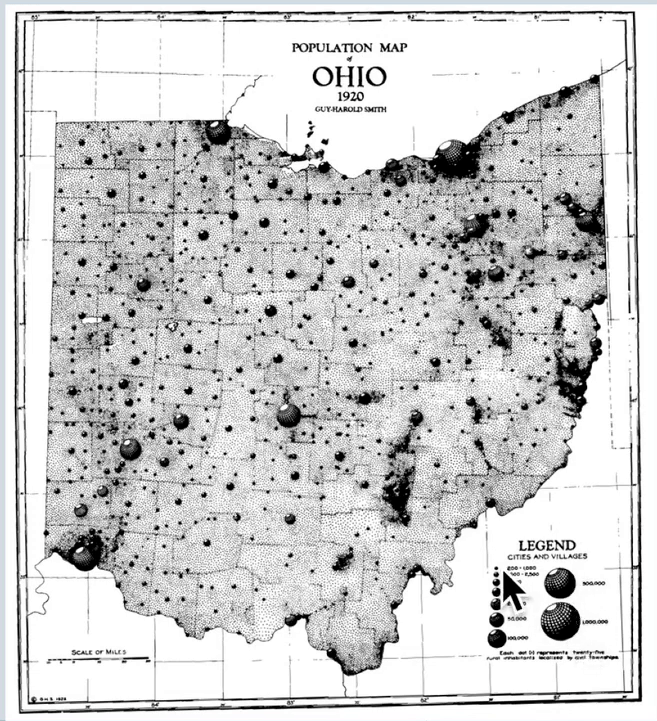
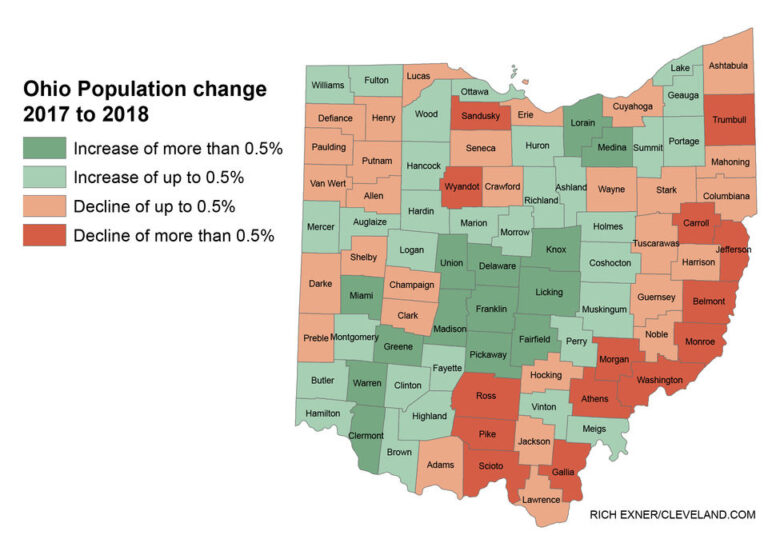
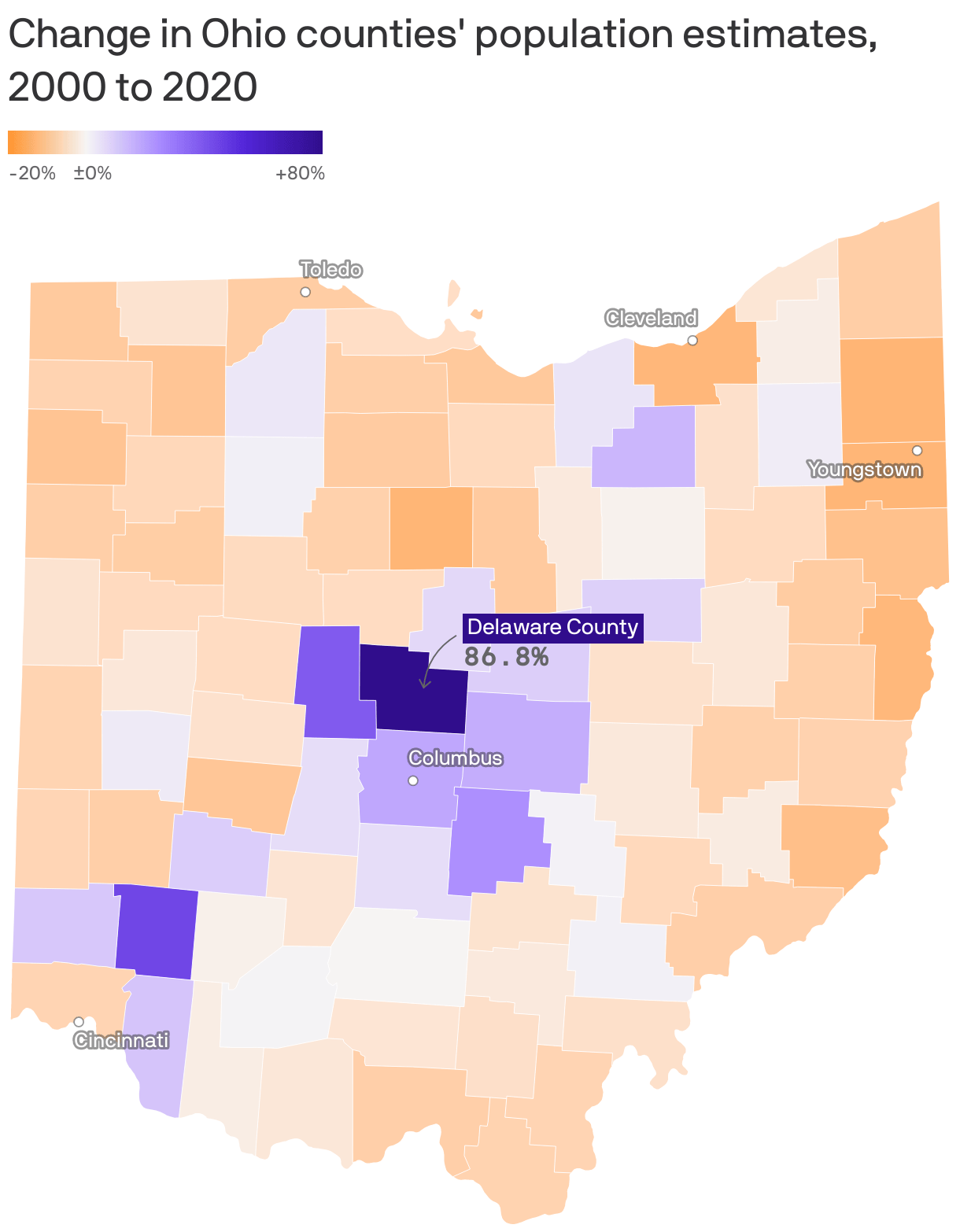
Ohio population density, Ohio demographic map, population distribution Ohio, Ohio cities population, rural Ohio population, Ohio population trends, Ohio counties density, population statistics OhioA population density map of Ohio provides a crucial visual understanding of how people are distributed across the state. This detailed Ohio population density map highlights urban centers, suburban sprawl, and vast rural landscapes, revealing where the majority of Buckeyes reside. Exploring these maps offers insights into resource allocation, infrastructure development, and economic patterns. Understanding the population density map of Ohio is essential for urban planners, businesses, and anyone interested in the state's demographic trends. Such a map helps identify areas experiencing growth or decline, influencing decisions from new housing projects to public transportation routes. These informational tools are trending in the USA as people increasingly seek data-driven insights into regional development. It is more than just numbers; it is about seeing the pulse of Ohio and how its communities evolve.
Pondering the population density map of Ohio helps us grasp where people live and thrive. This vital geographical tool illustrates how residents are spread across the state. It shows the bustling cities alongside peaceful rural communities, detailing a comprehensive picture of life in Ohio. Understanding this map is crucial for anyone studying the state's growth and development, offering insights into its vibrant communities and evolving landscapes.
Understanding the Ohio Population Density Map
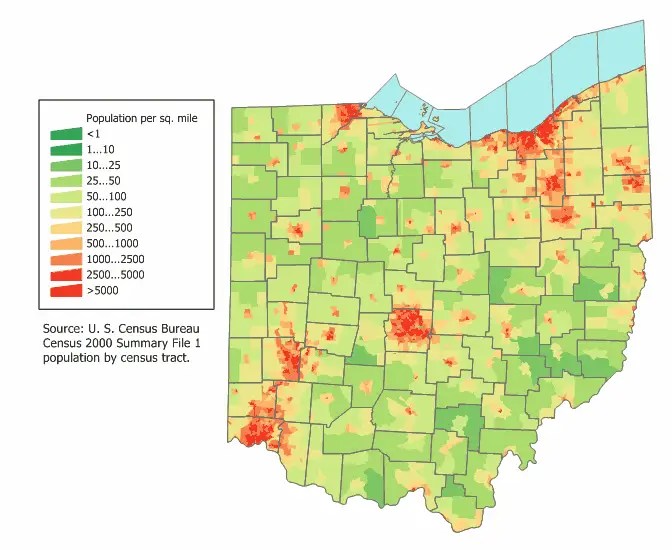
The population density map of Ohio is a powerful visual aid. It clearly shows how many individuals live within a specific area. Generally, darker shades indicate higher population concentrations. Lighter areas represent sparser populations, often found in agricultural or forested regions. This map is vital for grasping the state's demographic layout and future planning.
What Does a Population Density Map of Ohio Reveal?
A population density map of Ohio uncovers where development and human activity are most concentrated. It highlights urban cores like Cleveland, Columbus, and Cincinnati. These maps also reveal suburban rings surrounding major cities. Furthermore, they showcase vast stretches of less populated rural land. This visual data supports understanding Ohio's diverse settlement patterns.
Major Population Hubs in the Population Density Map of Ohio
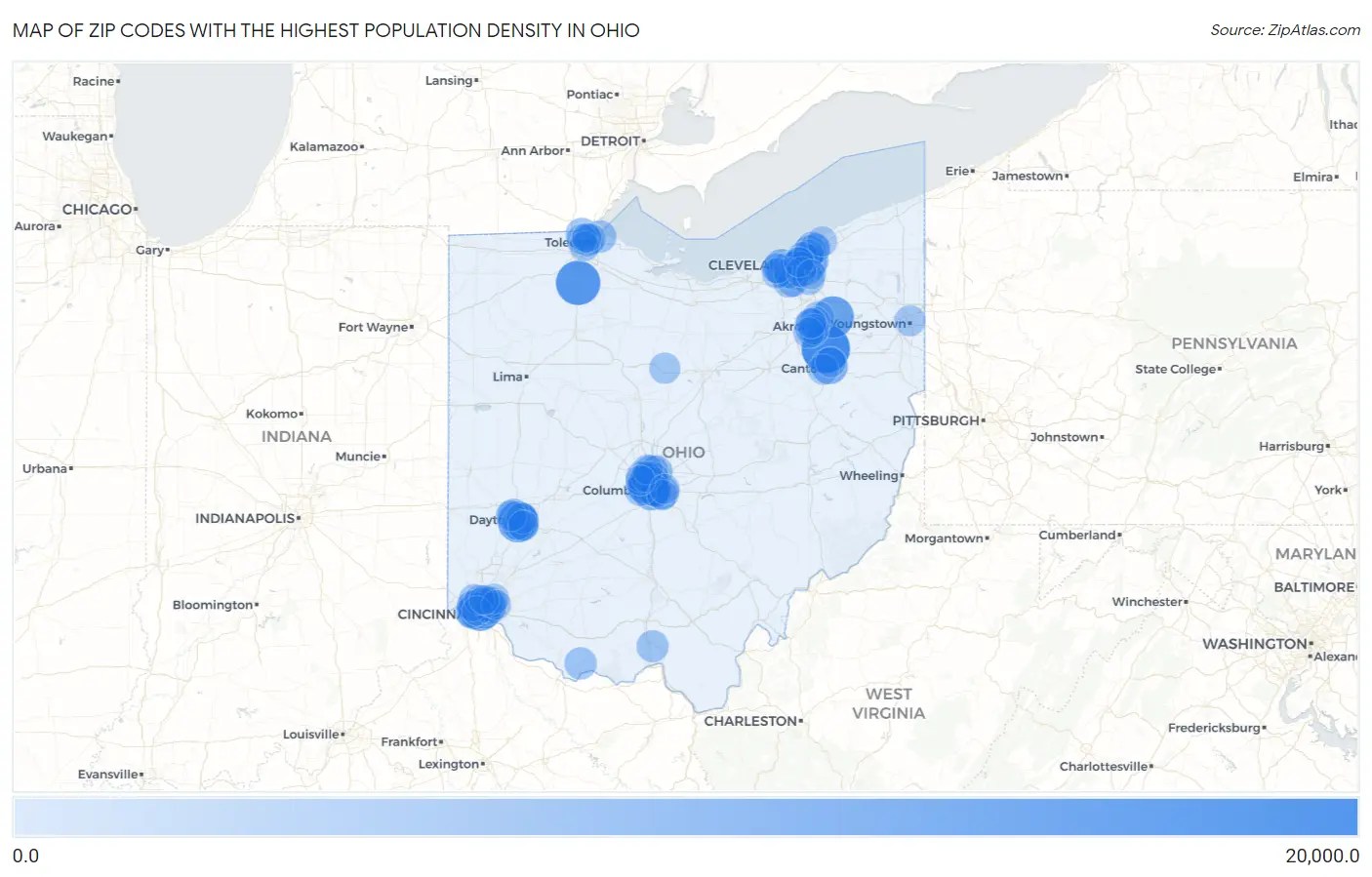
When you look at a population density map of Ohio, certain areas immediately stand out. Franklin County, home to Columbus, shows extremely high density. Cuyahoga County, encompassing Cleveland, also features dense urban living. Hamilton County, where Cincinnati is located, completes Ohio's trio of highly populated metropolitan centers. These hubs drive much of the state's economic and social activity.
Rural Landscapes and Lower Density on the Population Density Map of Ohio
Beyond the bustling cities, the population density map of Ohio reveals extensive rural areas. Counties in southeastern and northwestern Ohio typically display much lower population figures. These regions are characterized by smaller towns, farmland, and natural landscapes. Understanding these contrasts is key to appreciating Ohio's full demographic spectrum and its regional variations. Many residents enjoy the quiet life these areas offer.
How Does Ohio's Population Density Influence Everyday Life?
The population density of Ohio directly impacts everything from traffic to public services. High-density areas often experience more congestion and greater demand for infrastructure. Lower-density regions might face challenges in accessing specialized services. These maps inform decisions on school district planning and emergency service deployment. They truly shape the daily experiences of Ohioans across the state.
| Region Type on Ohio Population Density Map | Characteristic Population Density | Example Areas | Key Features |
|---|---|---|---|
| High Density Urban | Over 1,000 people per square mile | Columbus, Cleveland, Cincinnati | Major employment, diverse services, complex infrastructure |
| Suburban Growth Areas | 250-1,000 people per square mile | Outer rings of major cities | Residential communities, growing families, local amenities |
| Medium Density Towns | 50-250 people per square mile | Smaller county seats like Athens, Lima | Local commerce, community focus, agricultural ties |
| Low Density Rural | Under 50 people per square mile | Southeastern Ohio, parts of Northwest | Agriculture, natural resources, dispersed communities |
What Others Are Asking About the Population Density Map of Ohio?
Where are the most densely populated areas in Ohio?
The most densely populated areas in Ohio are concentrated around its major metropolitan centers. These include Franklin County (Columbus), Cuyahoga County (Cleveland), and Hamilton County (Cincinnati). These counties boast extensive urban and suburban developments, housing a significant portion of Ohio's total population. Understanding these hubs helps visualize statewide demographic trends effectively.
What is the population density of Ohio overall?
As of 2026 projections, Ohio's overall population density is approximately 280 people per square mile. This figure places Ohio among the more populated states in the Midwest. However, this average masks significant regional variations, from very dense urban cores to very sparse rural expanses. The population density map of Ohio reveals these crucial differences vividly.
Why are certain areas of Ohio more densely populated?
Certain areas of Ohio are more densely populated primarily due to historical economic development, geography, and infrastructure. Major cities often grew along rivers or transportation routes, attracting industries and jobs. This concentration of opportunities continues to draw residents. These factors contribute to the high population density map of Ohio in these regions.
How has Ohio's population density changed over time?
Ohio's population density has steadily increased over the centuries, mirroring national urbanization trends. While overall growth has slowed in recent decades, specific urban and suburban areas continue to expand. Rural regions have seen more stable or even declining densities. The population density map of Ohio continually evolves, reflecting ongoing demographic shifts and economic changes.
What tools can I use to view a population density map of Ohio?
Several online tools and government resources provide detailed population density maps of Ohio. The U.S. Census Bureau offers comprehensive data and mapping features. Additionally, various state government websites and geographical information system (GIS) platforms allow users to visualize Ohio's population distribution effectively. These resources are invaluable for research and planning.
FAQ About the Population Density Map of Ohio
What is a population density map of Ohio?
A population density map of Ohio is a visual representation showing how many people live within a given area across the state. It uses colors or shades to highlight areas of high and low population concentration. This map offers crucial insights into Ohio's demographic landscape and settlement patterns.
Who uses a population density map of Ohio?
Urban planners, researchers, businesses, government agencies, and real estate professionals frequently use the population density map of Ohio. It helps them make informed decisions about resource allocation, market analysis, infrastructure development, and community planning. This tool is valuable for many different stakeholders.
Why is understanding the population density map of Ohio important?
Understanding the population density map of Ohio is important because it informs strategic planning and resource distribution. It helps identify areas needing more services, infrastructure, or economic development. This knowledge supports effective governance and sustainable growth throughout the state. It truly empowers better decision-making.
How is the population density map of Ohio created?
The population density map of Ohio is created using data from the U.S. Census Bureau and other demographic surveys. This information is processed through Geographic Information Systems (GIS) software. The software then visualizes the data, typically by assigning different colors or shades to areas based on their population count per square mile.
Where can I find an up-to-date population density map of Ohio?
You can find up-to-date population density maps of Ohio on websites like the U.S. Census Bureau, Ohio's Department of Development, or various university GIS departments. These sources provide reliable and current data visualizations. Online mapping platforms often integrate this data for public access.
The population density map of Ohio paints a vivid picture of where Buckeyes call home. From the bustling streets of its major cities to the tranquil farmlands, each area contributes to the state's unique character. Exploring this map helps us appreciate the diverse communities and the factors that shape their growth. It's a powerful tool for understanding our state.
Understanding the intricacies of the population density map of Ohio is more than just looking at numbers; it's about connecting with the human story of the state. It helps us see the patterns of development, the challenges, and the opportunities that lie ahead. By staying informed, we can all contribute to a thriving future for Ohio.
Understanding Ohio's population distribution, identifying major urban hubs like Columbus and Cleveland, exploring rural sparse areas, visualizing demographic trends, aiding urban planning, and guiding resource allocation across the state.



Population Density Of Ohio By Census Block OC 3507x2480 MapPorn . Ohio Population Density Map Ohio Population Map . Ohio State Map With Population Density Area With Worksheet By World Original 10619363 1 . New Census Numbers Show Ohio S Population Is Steady But Long Term Projected Population Changes Ohio 2020 2050 . Highest Population Density In Ohio By Zip Code In 2026 Zip Atlas Ohio Highest Population Density By Zip Code Map.webp


What Is The Population Of Ohio Answers Ohio Map Population By County . Ohio S Population Expected To Decline Over Next Few Decades Sized OH PROJECTED COUNTY POPULATIONS BY 2050 .00 00 17 20. Ohio State Map With Population Density Area With Worksheet By World Original 10619363 2 . What S There Left To Wait For On Tumblr Tumblr 1280 . USA Ohio Map Population Density Per County State Of America


Ohio Population Density R Cleveland Ohio Population Density V0 . Population Density Of Ohio 2010 600x600 R MapPorn . Ohio State Map With Population Density Area With Worksheet By World Original 10619363 3 . What Is A Graduated Symbol Map February 15 2026 Image 802 . Botkins Ohio Population At Ryan Knight Blog Ohio Population Density Map 768x547



Map Of Large Cities In The State Of Ohio Ranked By Population TPT Original 10644573 2 . Ohio Population Trend Full . 301 Moved Permanently Thematic Map2020 Ver2010 FINAL.tif. Map Of Large Cities In The State Of Ohio Ranked By Population TPT Original 10644573 1 . Editable Ohio County Populations Map Illustrator PDF Digital OH State 2007pop Sm
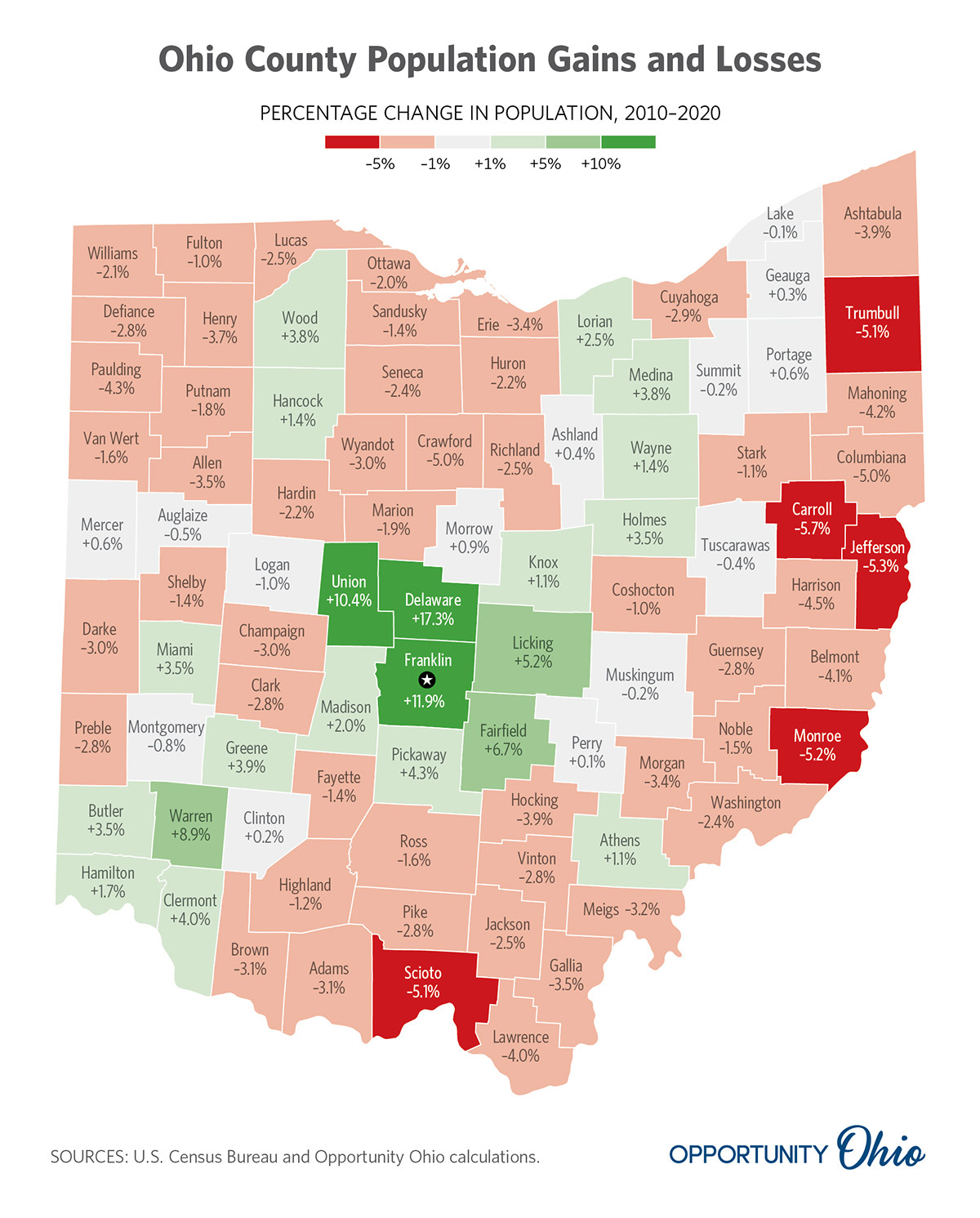


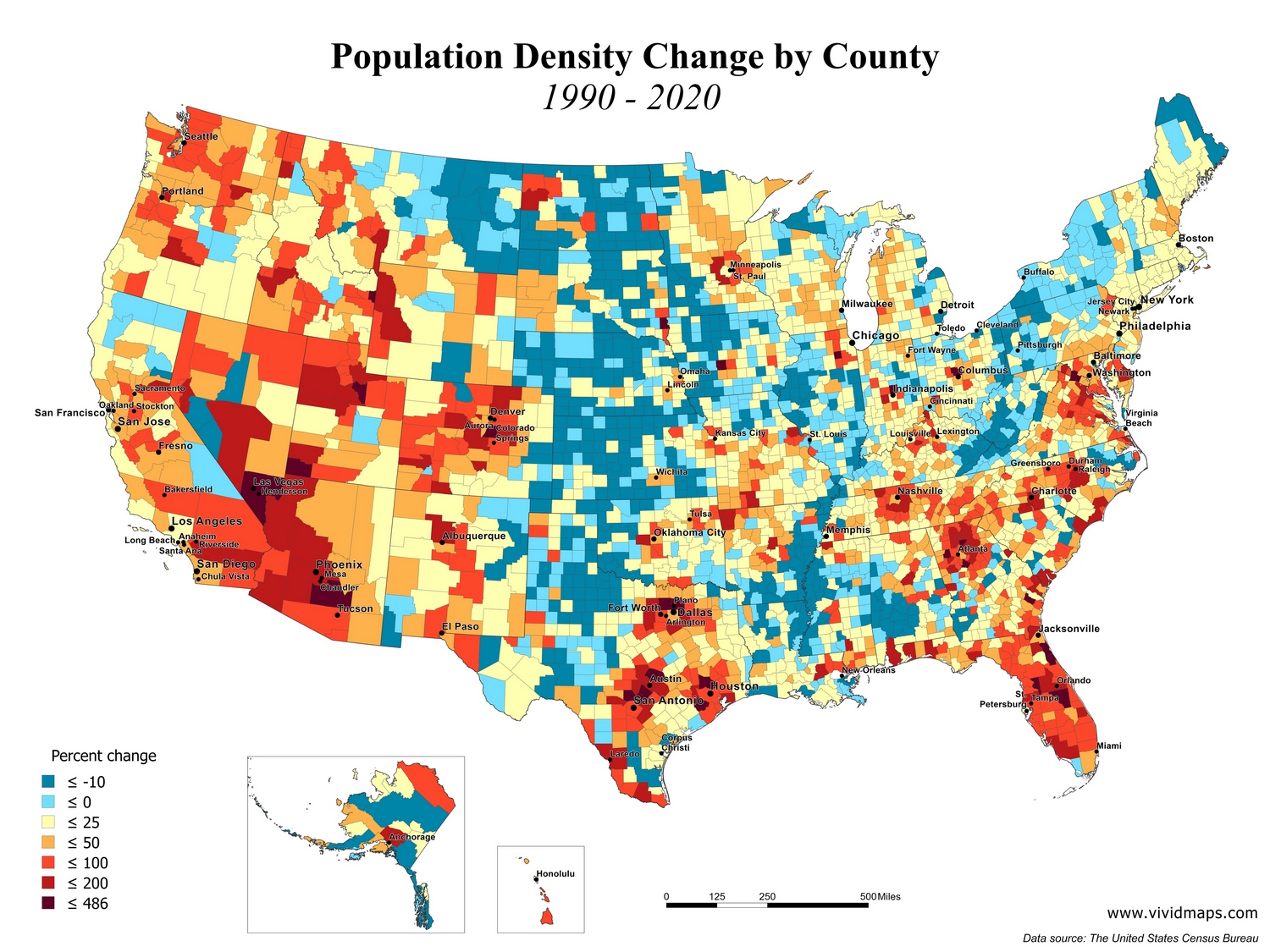

Ohio Information 6581788a 724f 4833 Be45 1200x1491 . Closer Look At Ohio S Population Data For 2025 North American Ohio Population By Gender And Age Chart 1 800x455 . Ohio Facts For Kids 300px Ohio Change In Population By County 2010 To 2020.svg . U S Population Density Mapped Vivid Maps US Population Density Change . Ohio Population Density Map Population Of Ohio Population By Year 2000 2022


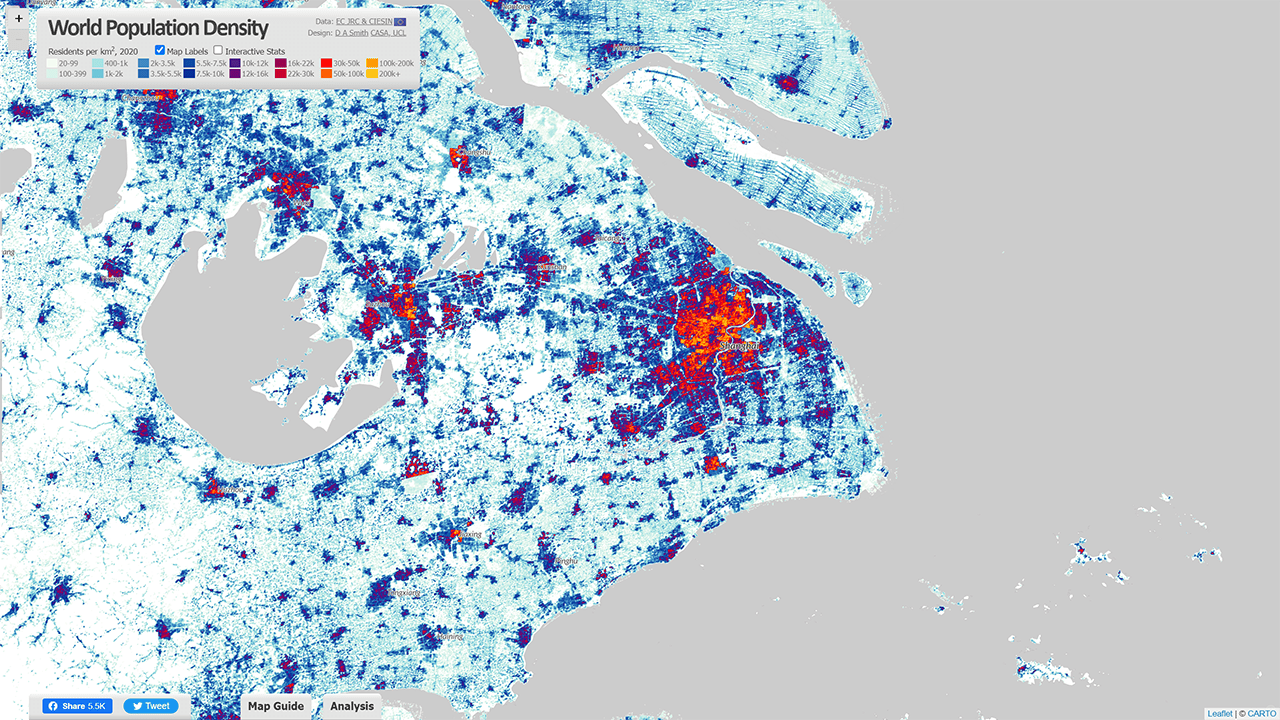
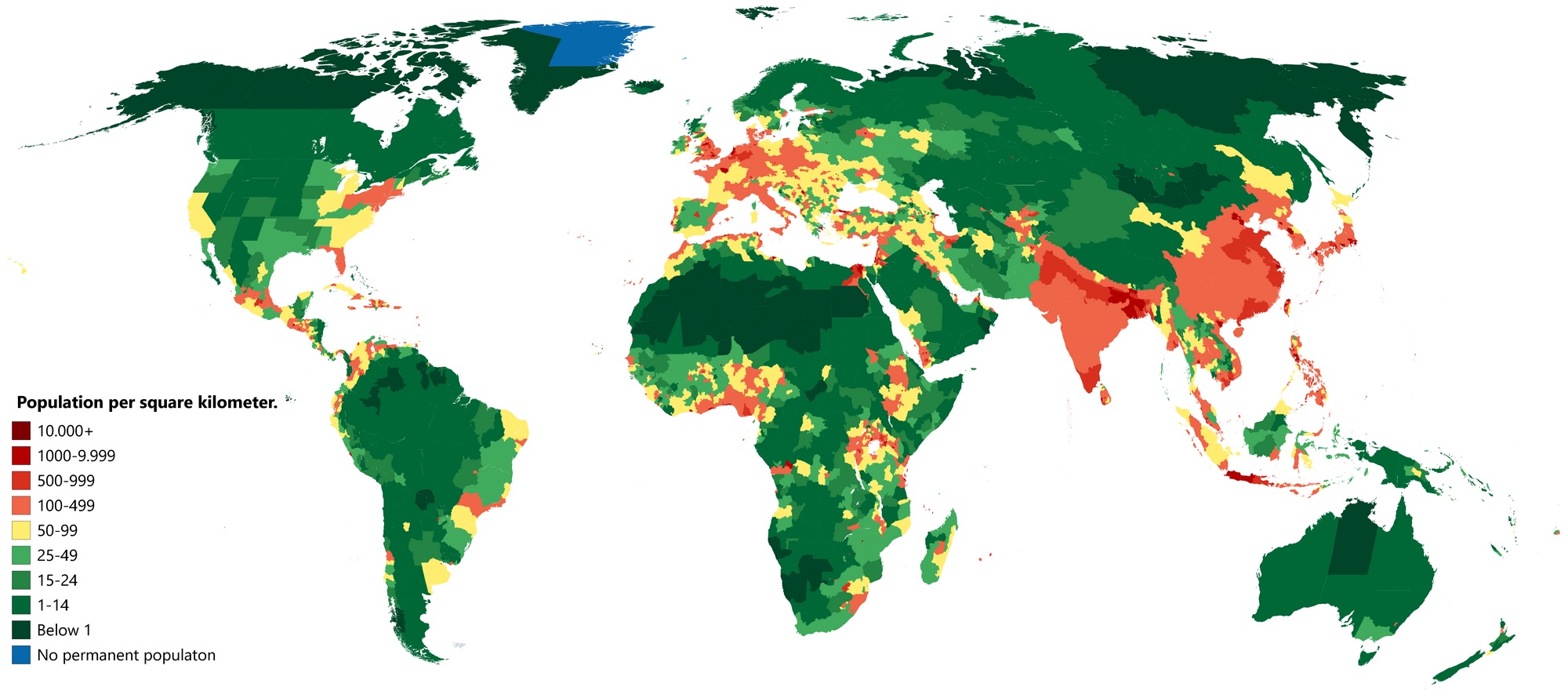

Population Density Of The World 2024 Us Population Map . File Population Density Map Of The World Svg Wikipedia 2560px Population Density Map Of The World.svg . World Population Density Map Update With GHSL 2023 Shanghai . Population Density Vivid Maps Population Density . Dpp Documento De Identidad Argentina Population Map Of The World World Population Map Poster


Ohio Population Map Full . Map Of Study Areas The Left Panel Shows The Population Density Of Household Migration In Rural Ohio 2008 2016 Left Panel Inflow And Outflow By Household Q320 . Ohio Random Graphics Maps City Discussion UrbanOhio Com . Map Of Study Areas The Left Panel Shows The Population Density Of Map Of Study Areas The Left Panel Shows The Population Density Of Census Tracts In 2016 . Us Map Of Deer Population 2018 OH DeerGraphic A