Navigating the complex world of redistricting in the United States often leads to questions about the "final map." This definitive guide dives deep into what a final map represents, its crucial impact on elections, and how these boundaries shape communities across the nation. We explore the exhaustive process of drawing electoral districts, from initial proposals to judicial reviews and legislative approvals, ensuring every vote counts. Understand the political implications, the role of independent commissions, and why staying informed about your district's final map is essential for civic engagement. Discover key insights into how states like Texas, California, and New York approach this pivotal process. This article is your go-to resource for deciphering the intricate journey to a final map and its lasting effects on American democracy and representation. We cover the who, what, when, where, why, and how of these critical political blueprints, offering actionable advice for citizens.
What is the primary purpose of a final map in US politics?
The primary purpose of a "final map" in US politics is to delineate electoral districts with roughly equal populations, following the decennial census. This ensures fair representation for citizens in legislative bodies, from congressional seats to state assemblies. It is a critical step in maintaining democratic principles and ensuring every vote carries similar weight across districts.
How do population changes influence the creation of a final map?
Population changes, identified by the decennial census, are the driving force behind creating a "final map." As populations shift, districts must be redrawn to maintain equal representation. States gaining population may gain congressional seats, while those losing population might lose them. These demographic shifts directly dictate where new district lines are drawn.
What is gerrymandering and how does it relate to the final map?
Gerrymandering is the practice of drawing electoral district boundaries to give an unfair advantage to one political party or group. It directly relates to the "final map" because it's through the manipulation of these very lines that gerrymandering occurs. This controversial practice distorts voter intent and undermines competitive elections, making the final map a highly scrutinized document.
Can a citizen influence the final map drawing process?
Yes, a citizen can significantly influence the "final map" drawing process. Many states hold public hearings and solicit feedback on proposed maps. Citizens can submit their own map proposals, testify before commissions or legislatures, and join advocacy groups dedicated to fair redistricting. Active participation is vital for promoting transparency and equity in the final outcome.
What are independent redistricting commissions and why are they used for final maps?
Independent redistricting commissions are non-partisan bodies tasked with drawing electoral district "final maps," aiming to reduce political influence. They are used to promote fairness, prevent gerrymandering, and create more competitive districts than traditional legislative processes often produce. These commissions typically consist of citizens selected for their impartiality and represent an effort to enhance democratic integrity.
Where can I view my state's current final map?
You can usually view your state's current "final map" on your official state election board website, or on government portals dedicated to redistricting. Non-partisan organizations often provide interactive tools allowing you to enter your address and see your specific district boundaries. These resources are crucial for understanding your representation and staying informed.
Ever wondered what happens when the lines on our electoral maps get redrawn? We're talking about the "final map," a term that carries immense weight in American democracy. It's not just a drawing; it's the blueprint that determines who represents us, shapes political power, and defines communities for the next decade. Understanding this crucial process, its implications, and how these final maps come to be is key to informed citizenship. Let's explore the powerful journey to a definitive electoral map and why it matters to every American voter.
The Final Map and Why It Matters
The "final map" in redistricting officially outlines the boundaries for electoral districts across the United States. This map dictates which voters reside in each congressional, state legislative, and local district. These boundaries are crucial for ensuring fair representation after each decennial census. It’s a foundational element of American elections, influencing everything from policy to candidate selection.
Understanding the Journey to a Final Map
Creating a "final map" is a detailed and often contentious process. States begin by collecting census data to identify population shifts and growth. This data guides the drawing of new district lines. Various entities, including state legislatures and independent commissions, propose different map versions. Public input and legal challenges frequently shape the eventual final map.
Who Draws the Final Map?
The authority to draw the "final map" varies significantly by state. Most states empower their state legislatures with this responsibility. However, a growing number of states utilize independent or bipartisan commissions. These commissions aim to reduce political influence and create fairer districts. Some states even involve hybrid models with advisory commissions.
Impact of the Final Map on US Elections
The "final map" profoundly influences election outcomes and political representation. District lines can be drawn to favor one political party over another, a practice known as gerrymandering. This can make certain districts non-competitive, effectively predetermining election results. A fair final map promotes competitive elections and ensures diverse voices are heard.
Challenges and Controversies Surrounding the Final Map
The journey to a "final map" is rarely without controversy. Legal battles over gerrymandering are common, often reaching the Supreme Court. Challenges typically focus on racial gerrymandering or partisan unfairness. Public outcry and grassroots movements also play a significant role in advocating for transparent and equitable map-drawing processes.
What Others Are Asking About the Final Map?
What is a final map in the context of redistricting?
A "final map" in redistricting refers to the officially adopted boundaries for electoral districts, such as congressional or state legislative areas. These maps are established after the decennial census to ensure each district has roughly equal population. They dictate where citizens vote and which representatives they can elect, shaping political power for the next decade.
How does a final map impact my vote?
The "final map" can significantly impact your vote by determining your electoral district and, consequently, your elected representatives. If your district is drawn to be safe for one party, your vote might feel less influential in the general election. Conversely, a competitive district means your vote could be pivotal, encouraging higher voter turnout.
When is a final map typically released?
A "final map" is typically released after the completion of the decennial census data collection and subsequent legislative or commission processes. This usually occurs within a year or two following the census, well before the next major election cycle. The exact timing varies by state, often involving public review and potential legal challenges.
Can a final map be challenged after adoption?
Yes, a "final map" can absolutely be challenged after its adoption. Legal challenges are common, often alleging gerrymandering based on partisan bias or racial discrimination. These cases frequently proceed through state and federal courts, sometimes leading to maps being redrawn. Citizens and advocacy groups often initiate these important legal battles.
What role do citizens play in the final map process?
Citizens play a crucial role in the "final map" process through public hearings, submitting testimony, and advocating for fair maps. Many states offer opportunities for public comment on proposed district boundaries. Citizen engagement helps ensure transparency and holds map-drawers accountable, influencing the fairness and representativeness of the final outcomes.
FAQ About the Final Map
Who approves the final map?
The "final map" is typically approved by the state legislature and signed by the governor. In states with independent commissions, the commission itself approves and implements the map. These processes are designed to ensure legitimacy and legal standing for the newly drawn electoral boundaries.
What does a final map mean for local communities?
A "final map" can significantly reshape local communities by grouping or dividing neighborhoods. This impacts how effectively local concerns are represented at state and federal levels. Districts that keep communities intact generally foster stronger local representation and cohesion, influencing resource allocation and policy debates.
Why is there so much debate over the final map?
There is much debate over the "final map" because it directly impacts political power for the next decade. Parties and incumbents often seek to draw maps that favor their electoral success. Concerns about fairness, equitable representation, and the potential for gerrymandering fuel these intense public and legal discussions.
How can I find my final map district?
You can find your "final map" district by visiting your state's election board website or a non-partisan redistricting information site. These resources usually provide interactive maps where you can enter your address. Staying informed about your specific district ensures you understand your representation and polling locations.
Table of Information: Understanding the Final Map
| Aspect | Description of Final Map | Typical Authority |
|---|---|---|
| Definition | Officially adopted electoral district boundaries | State Legislatures or Independent Commissions |
| Purpose | Ensures equal population representation post-census | Fair Representation, Political Equity |
| Timeline | After decennial census, before next major election | Varies by State Law |
| Key Impact | Influences election outcomes and voter power | Gerrymandering, Competitive Elections |
| Challenges | Legal suits, public outcry against unfair maps | Courts (State and Federal) |
Understanding the final map in US redistricting. Impact on elections and community representation. The rigorous process of electoral district drawing. Political implications and legal challenges. Role of independent commissions in map creation. Civic engagement and staying informed.
35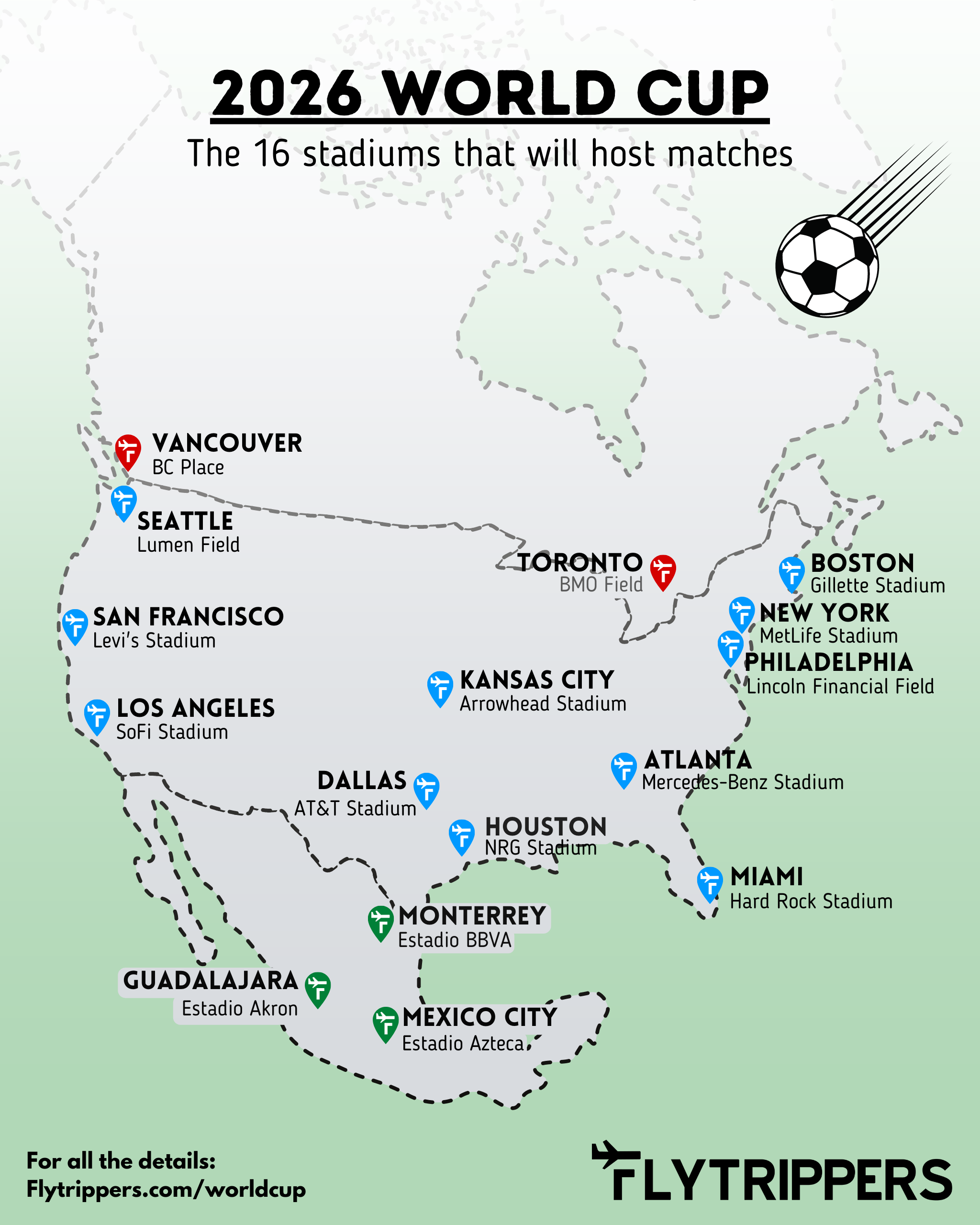


World Cup 2026 Location Cities Worldcup Eng . 2026 World Cup Host Cities R Maps 2026 World Cup Host Cities V0 . Interactive Map Year 2026 R . 2026 FIFA World Cup Final Tournament Match Schedule And Locations 2026 Fifa World Cup Final Tournament Match Schedul 2026 Fifa World Cup Final Tournament Match Schedul. FIFA World Cup 2026 Stadiums SeatGraph Fifa World Cup Stadiums 2026 2


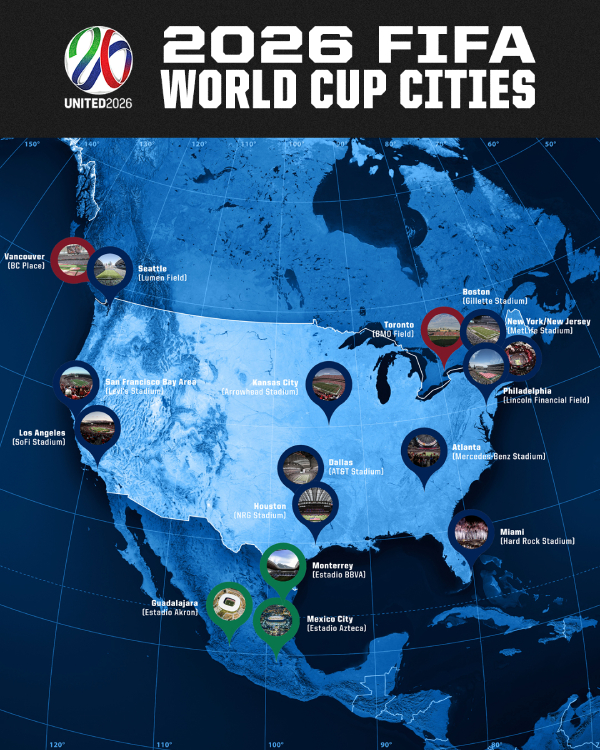

Now That 2026 Host Cities In North America Have Maps On The Web . StadiumDB Com PREMIER LEAGUE 2025 2026 MAP Facebook Media. 2026 World Map With Country Names Stable Diffusion Online 13616905 6b41 48fd A090 . FIFA Unveils Logo For 2026 World Cup In North America SportsLogos Net Cities Map ESPN 1 . 2026 House Election Interactive Map 270toWin 257JNJM

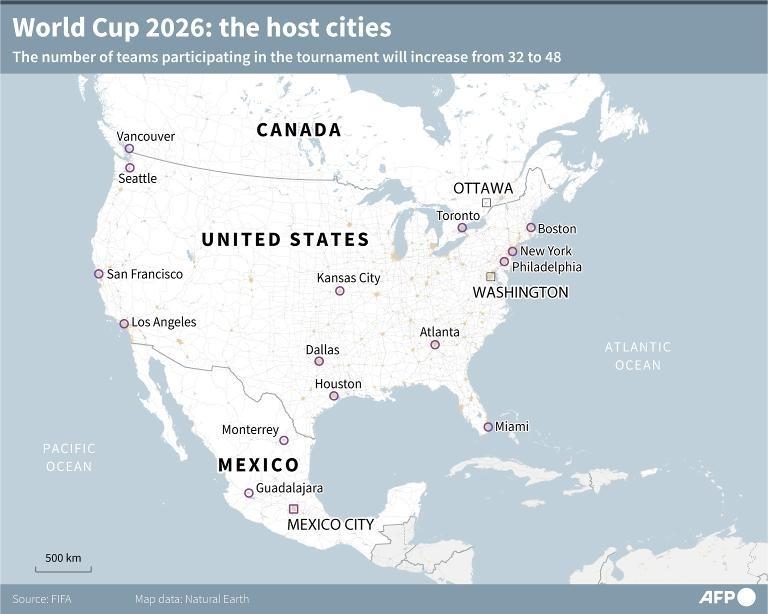
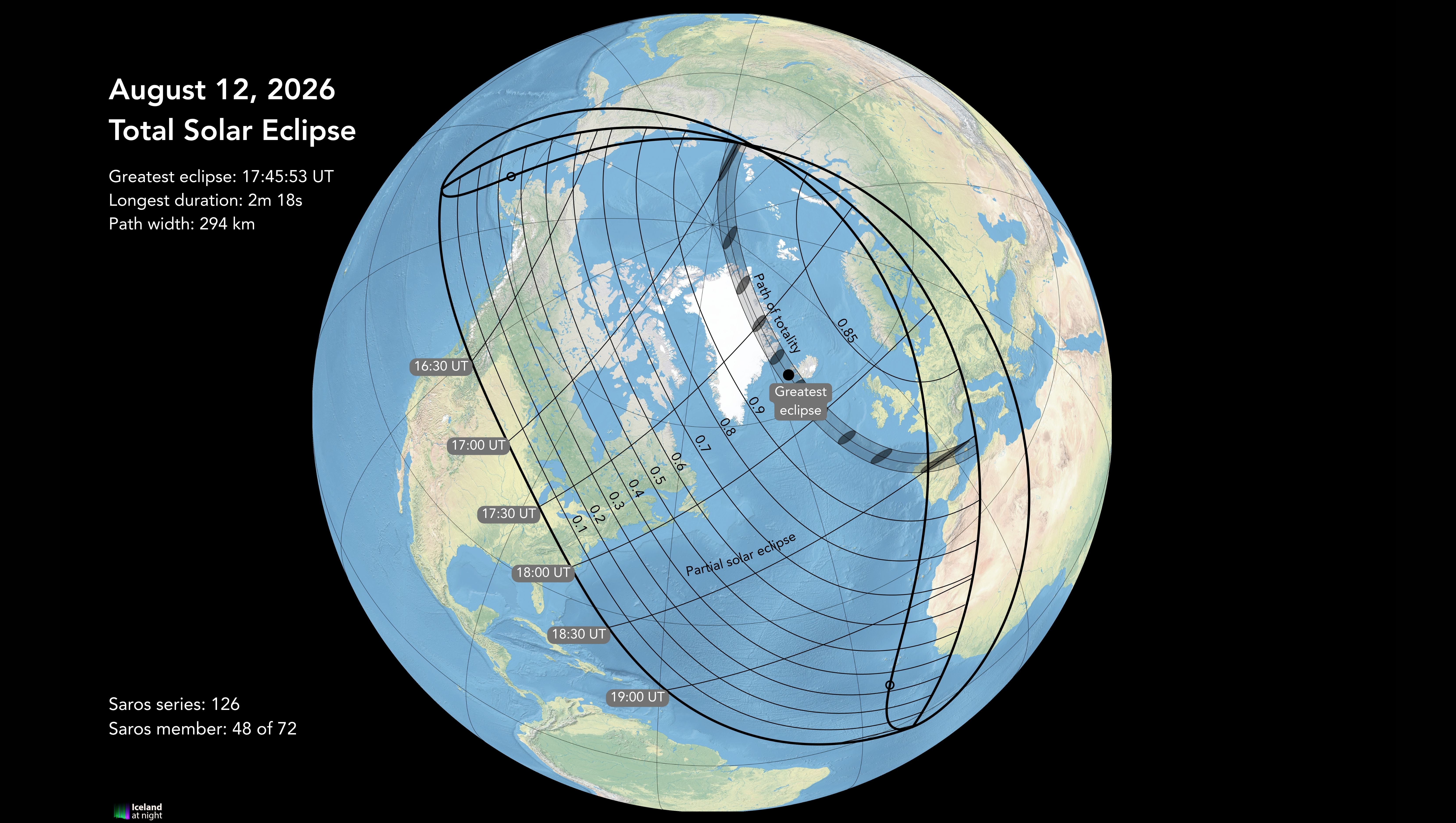


The Ultimate Guide To The FIFA World Cup Final 2026 Schedule Metlife Stadium . FIFA World Cup 2026 Stadiums Revealed 56eaa69c 6df6 4cfd 8cd4 . Maps Of Iceland For The 2026 Total Solar Eclipse Eclipse 2026 CM 9 . World Cup 2026 Map . 2026 UEFA Champions League Final Pusk S Ar Na UEFA Champions League Sevilla Fc V As Roma Uefa Europa League Final 2022 23



World Cup 2026 Stadiums World Cup 2026 . 2026 House Map Prediction January 2025 YouTube . FIFA World Cup 2026 Final Draw Scheduled For December 5 In Washington DC 2026 FIFA World Cup Group Stage.webp. Printable Tour De France 2025 Route Map Stage Schedule Printable FIFA World Cup 2026 Bracket 724x1024 . What Are The 2026 Elections




A Map Of All Of The 2026 World Cup Sites That Will Be Hosted In North Cant Wait For The 2026 World Cup Such A Great Venue To Host V0 . Countdown To The 2026 World Cup Special Watch On WFAA Wfaa Com D8b7edca 6b38 4960 9552 1140x641 . League Cup Winners 2026 . World Cup Cities Map Map Of 2026 World Cup Venues Roadtrips Wcmap Schedule Scaled . Buy War Tycoon Items Lowest Price IGGM




2026 Senate Election Forecast Maps 270toWin Consensus 2026 Senate Forecast. Budapest Awarded 2026 Champions League Final Football Ground Map 2024 05 Budapest Awarded 2026 Champions League Final . Tour De France 2026 Stages And Route Unveiled Quotidiano Sportivo Il Percorso Del Tour De France 2026.webp. Tours 2026 Metallica Announces 2026 European Stadium Dates PrimaNYC Com Road 2026 1191615 18446 . Venue And Date For AFC Women S Asian Cup Australia 2026 Final Draw 2026 Qualifiers Drawresults WEB




Map Of The World In 2026 In My Parallel Universe By Map Of The World In 2026 In My Parallel Universe By Dgcslsz Pre . Introducing The 2026 Senate Interactive Map 270toWin Senate Incumbent . How World Cup 2026 Will Work With 104 Matches Six Games A Day And 48 Tp Graphic World Cup 2026 Map New . Final Race In 2026 Dutch Grand Prix 2gzTaqcg . Inside The World Cup 2026 Final Host City Selection Why New Jersey Was 0204 1 1