The Earthsea map captivates readers across the USA, offering a profound journey into Ursula K Le Guins legendary archipelago. This iconic fantasy world, rich with wizards, dragons, and vast seas, invites explorers to trace paths of magic and discovery. Understanding the Earthsea map is essential for appreciating the intricate narratives and geographical significance within the series. From the wizard school on Roke to the remote shores of Gont, each island cradles tales of ancient power and human spirit. Fans are consistently searching for detailed interpretations and visual representations of this mystical realm. Exploring its topography reveals the very heart of Le Guins masterful world building. This makes the Earthsea map a continuously trending topic for fantasy enthusiasts nationwide. This navigational guide provides essential insights into its rich lore and enduring appeal.
What is the Earthsea map's essence?
The Earthsea map is a detailed graphical representation of the fictional world created by author Ursula K Le Guin for her acclaimed fantasy series. It illustrates an extensive archipelago, comprising hundreds of islands spread across a vast ocean, providing geographical context for the magical adventures within the books. It is essential for navigating the stories. The map helps readers visualize the settings.
Who originally created the Earthsea map's design?
Ursula K Le Guin herself envisioned and described the original Earthsea map's geography. Early published versions of her novels often included maps drawn by her husband, Charles Le Guin. These visual aids brought her intricate world to life, solidifying the layout for readers. Her descriptions were the foundation.
Where are the main locations depicted on the Earthsea map?
Prominent locations on the Earthsea map include Gont, Ged's home; Roke, the renowned wizard school; and Havnor, the political center. Other key islands like Atuan and Enlad also feature significantly. These islands define the core settings for many of the series' pivotal events and character journeys. The map guides navigation.
Why is the Earthsea map crucial for understanding the books?
The Earthsea map is vital as it provides a tangible sense of place and scale for the narratives. It helps readers track character movements, understand cultural distances, and visualize the epic scope of adventures. The map enhances immersion, making the magical world feel more real and comprehensible, deepening reader engagement substantially.
Are there different versions of the Earthsea map available?
Yes, there are several versions of the Earthsea map found in different editions and translations of Ursula K Le Guin's works. While maintaining the core geography, artistic styles and minor details might vary. The foundational layout remains consistent across these interpretations, reflecting the author's original vision for the Earthsea map effectively. Fans often compare editions.
How does the Earthsea map inspire readers and adventurers?
The Earthsea map inspires readers by bringing a fantastical world into vivid reality, sparking imagination and a desire for exploration. It deepens appreciation for Le Guin's intricate world-building and offers a visual guide to profound literary journeys. The map encourages a sense of wonder and intellectual engagement with the story's setting. It fosters a powerful connection.
The Earthsea map represents the heart of Ursula K Le Guins celebrated fantasy series, a meticulously crafted archipelago that has captivated readers for decades. It provides a crucial geographical framework for the epic tales of wizardry, dragons, and self-discovery. This map, first introduced to a global audience with A Wizard of Earthsea in 1968, illustrates a vast world where magic is an intrinsic part of life. For readers in the USA, understanding the Earthsea map means unlocking deeper layers of storytelling and appreciating the journeys of characters like Ged across its diverse islands. It is more than just a drawing; it is a portal to an imaginative reality, guiding us through its intricate lore.
Exploring the Earthsea map reveals an extraordinary collection of islands, each with its unique culture and significance. From the bustling port of Havnor to the secluded wizardry of Roke, the map delineates a world both grand and intimate. Its design helps readers visualize the scale of Ged's travels and the vastness of the sea that connects all life. Many enthusiasts search for high-resolution versions or fan-made interpretations of the Earthsea map to immerse themselves further. This visual aid is invaluable for understanding the context of every spell cast and every challenge faced within the series. It truly grounds the magical adventures in a tangible place.
The enduring popularity of the Earthsea map in the United States highlights its role as a cultural touchstone in fantasy literature. It continues to inspire artists, writers, and game designers. Readers feel a deep connection to its familiar yet fantastical landscapes. The map serves as a silent narrator, telling tales of ancient history and powerful magic. Its subtle details hint at untold stories and forgotten lands. For many, simply gazing at the Earthsea map evokes a sense of wonder and adventure. It reminds us of the power of imagination and the allure of well-crafted worlds. Its influence is undeniable and continues to grow.
What Others Are Asking About the Earthsea Map?
What is the Earthsea archipelago based on the Earthsea Map?
The Earthsea archipelago, as depicted on the Earthsea map, is a wholly original creation by Ursula K Le Guin. While it draws on universal themes of myth and self-discovery, it is not directly based on any specific real-world archipelago or culture. Le Guin crafted this unique world to serve her profound philosophical and narrative explorations, making the Earthsea map a testament to her creative genius.
Is Earthsea a real place you can visit based on the Earthsea Map?
No, Earthsea is not a real place you can visit on our planet. It is a fictional world, entirely conceived within the imagination of author Ursula K Le Guin. The Earthsea map provides a detailed guide to this imaginary realm, allowing readers to explore its islands and seas vicariously through her acclaimed fantasy novels. It exists solely within the pages of her books.
How big is the world of Earthsea on the Earthsea Map?
The world of Earthsea, as shown on the Earthsea map, is vast and comprises hundreds of islands spread across a massive ocean. While specific mileage figures are rarely given, its sheer scale suggests a world comparable to large island nations or even continents if consolidated. The Earthsea map conveys an immense, navigable world, full of both known and mysterious territories, reflecting the scope of its magical lore.
What are the main islands on the Earthsea map?
Key islands prominent on the Earthsea map include Gont, where Ged is born, and Roke, the home of the Great House of Roke, the primary wizarding school. Havnor is the central capital of the Earthsea realm. Other significant islands are Enlad, Atuan, and the far-flung locales of the West Reach. These islands form the backbone of the Earthsea geography, each playing a crucial role in the sagas.
Who created the Earthsea map initially for the Earthsea Series?
The primary and most widely recognized Earthsea map was conceptualized and described by Ursula K Le Guin herself. Early editions of her books often included maps drawn by artists like her husband, Charles Le Guin. These maps brought her intricate geographical visions to life. The author's detailed descriptions provided the foundation for all subsequent visual interpretations of the Earthsea map across various editions and adaptations.
What is the significance of the Earthsea map in the series?
The significance of the Earthsea map lies in its ability to anchor the profound themes of the series within a tangible world. It allows readers to understand the scope of journeys and the isolation of various cultures. The map visually reinforces the interconnectedness of magic, nature, and human experience within Le Guin's vision. It is crucial for grasping the narrative depth.
| Island | Significance on Earthsea Map | Key Events |
| Gont | Ged's birthplace, isolated, rural magic | Ged's early life and awakening of power |
| Roke | Wizarding school, center of true magic | Ged's training, confrontation with the shadow |
| Havnor | Political and cultural capital of Earthsea | Seat of power, cultural hub, peace and order |
| Atuan | Desolate, home of the Tombs of Atuan | Tenar's story, exploration of darkness and freedom |
| Enlad | Wealthy, cultured island in the Inmost Sea | Home to powerful lords and ancient lore |
FAQ about the Earthsea Map
Who benefits from exploring the Earthsea map's details?
Readers, especially fantasy enthusiasts, greatly benefit from exploring the Earthsea map. It enhances immersion in Ursula K Le Guin's world. Students of literature also gain insight into complex world-building. Anyone interested in detailed fictional geographies will find it fascinating and informative. It truly enriches the reading experience.
What is the Earthsea map's primary purpose for readers?
The Earthsea map's primary purpose is to visually represent the sprawling archipelago where Le Guin's stories unfold. It helps readers track character journeys, understand geographical distances, and grasp the isolation or interconnectedness of various islands. It makes the magical world feel real and navigable for the audience.
Why is the Earthsea map so beloved by fans globally?
Fans adore the Earthsea map because it makes a fantastical world tangible and provides a sense of place for beloved characters and epic events. Its intricate details invite continuous exploration and discussion. The map transforms reading into a more interactive, visual adventure. It solidifies their connection to the narrative.
How does the Earthsea map contribute to the series' themes and messages?
The Earthsea map visually emphasizes themes like journey, isolation, and the balance of power. The vastness of the ocean highlights solitude, while the islands' distribution speaks to cultural diversity and political structures. It underscores the environmental interconnectedness central to Le Guin's philosophy. The map is a silent thematic guide.
The Earthsea map is much more than a simple illustration; it is an integral part of Ursula K Le Guin's literary legacy. Its detailed depiction of an archipelago world offers endless opportunities for exploration and understanding. Whether you are a longtime fan or a new explorer, delving into the intricacies of the Earthsea map enriches your journey through this timeless fantasy. It inspires a unique sense of wonder and connection. Truly, it invites us all to discover where magic lies.
Earthsea map is Ursula K Le Guins iconic fantasy world. It features a detailed geographical layout for readers. The map is essential for understanding the series narrative. It is incredibly popular among fantasy fans worldwide. It acts as a visual guide to magical journeys. Key locations include Gont and the wizard school on Roke. The map helps visualize dragon territories and island cultures. It enhances the immersive reading experience significantly.
 Ursula K Le Guin Maps Of Earthsea Earthsea Map Resized
  Koriel Kruer Earthsea Map Koriel Kruer Earthsea Map By Koriel Kruer Roke Detail
  Koriel Kruer Earthsea Map Koriel Kruer Earthsea Map By Koriel Kruer South Reach
 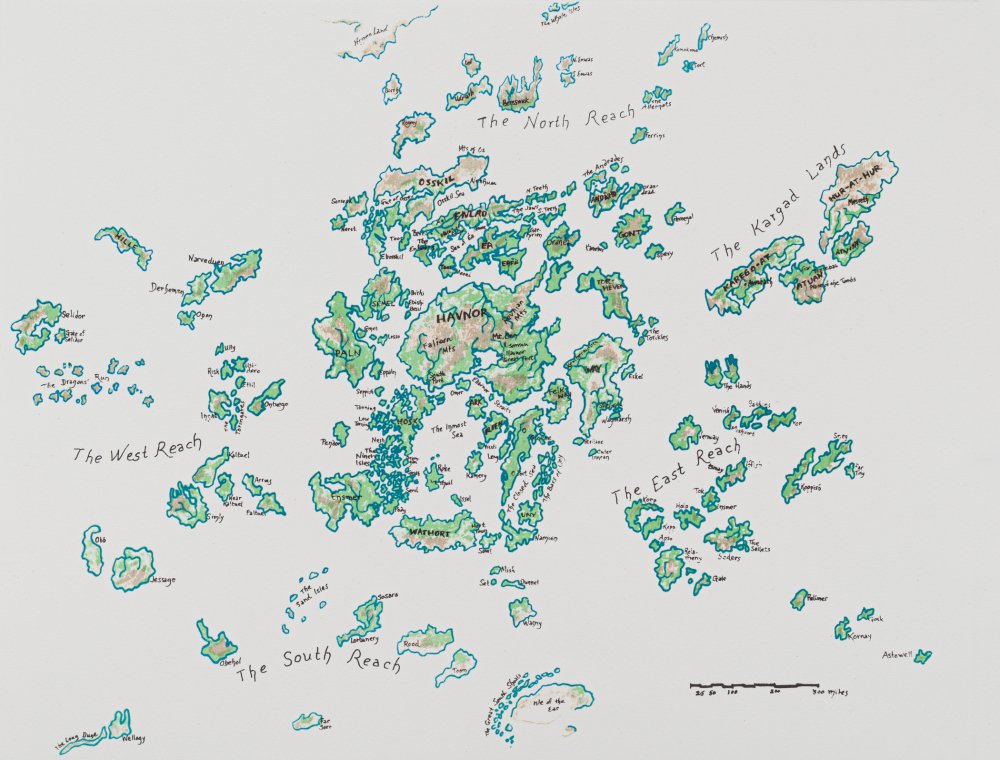 Ursula K Le Guin Maps Of Earthsea LeGuin Earthsea Map Color Watershed
 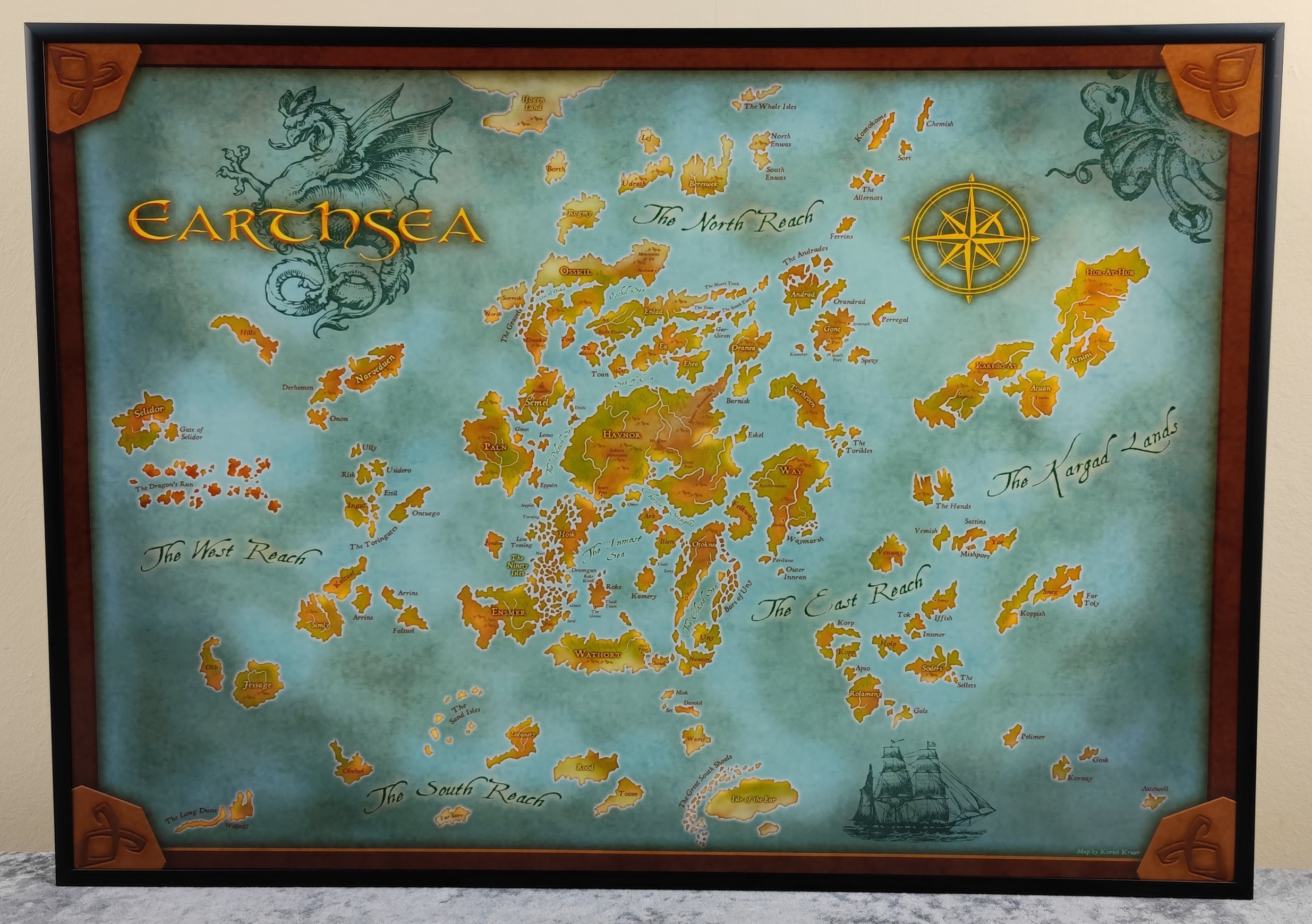 Earthsea Map Cartography Portfolio Il Nh
 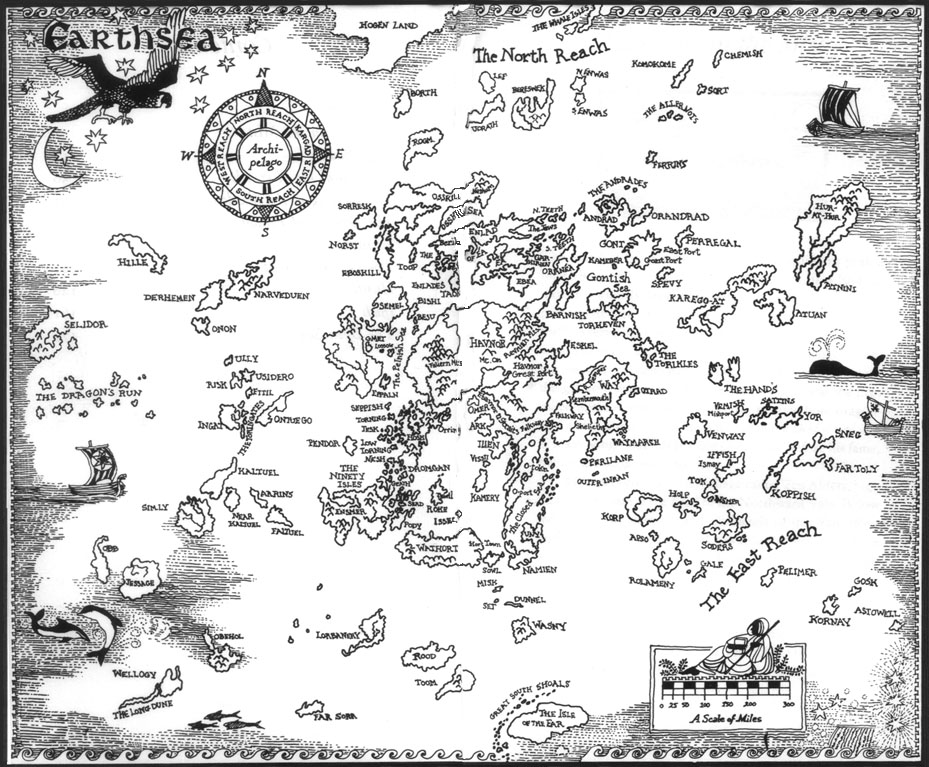 From The Creation Of Ea Earthsea
  A Wizard Of Earthsea Earthsea Cycle By Ursula K Le Guin Demeenimis Map
  Earthsea Earthsea
  Earthsea Poster Picture Metal Print Paint By Fil Flannigan Displate
 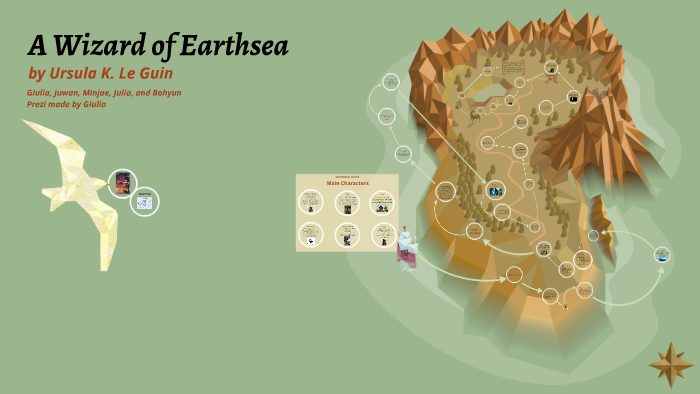 Wizard Of EarthSea By On Prezi
  Map Of Earthsea Showing The Voyage In The Farthest Shore On Craiyon QT