A memory map is a crucial concept in computer science, representing how a computer's memory is organized and utilized. For users in the United States, understanding memory mapping provides insights into software performance, system architecture, and cybersecurity. It details the allocation of various segments like code, data, stack, and heap, which are fundamental to how applications run efficiently. From optimizing game performance to diagnosing software bugs, memory maps offer a vital navigational tool for developers and a fascinating informational perspective for tech enthusiasts. This knowledge helps in grasping how operating systems manage resources, prevent conflicts, and protect processes, ensuring stable and secure digital experiences across all devices. Mastering memory map concepts can unlock deeper understanding of your everyday digital interactions.
What is a memory map in programming context?
In programming, a memory map details how a program's virtual address space is segmented. It shows where code, global variables, dynamically allocated memory (heap), and function call information (stack) reside. This organization is vital for debugging, optimizing resource use, and preventing memory-related errors, ensuring your applications run efficiently and securely.
How does a memory map contribute to computer performance?
A well-understood memory map allows developers to optimize how a program accesses and utilizes memory, directly impacting performance. Efficient allocation on the heap, proper stack management, and minimizing memory fragmentation reduce latency and improve execution speed. This optimization leads to faster, more responsive applications and a smoother user experience.
What are the primary segments found in a typical memory map?
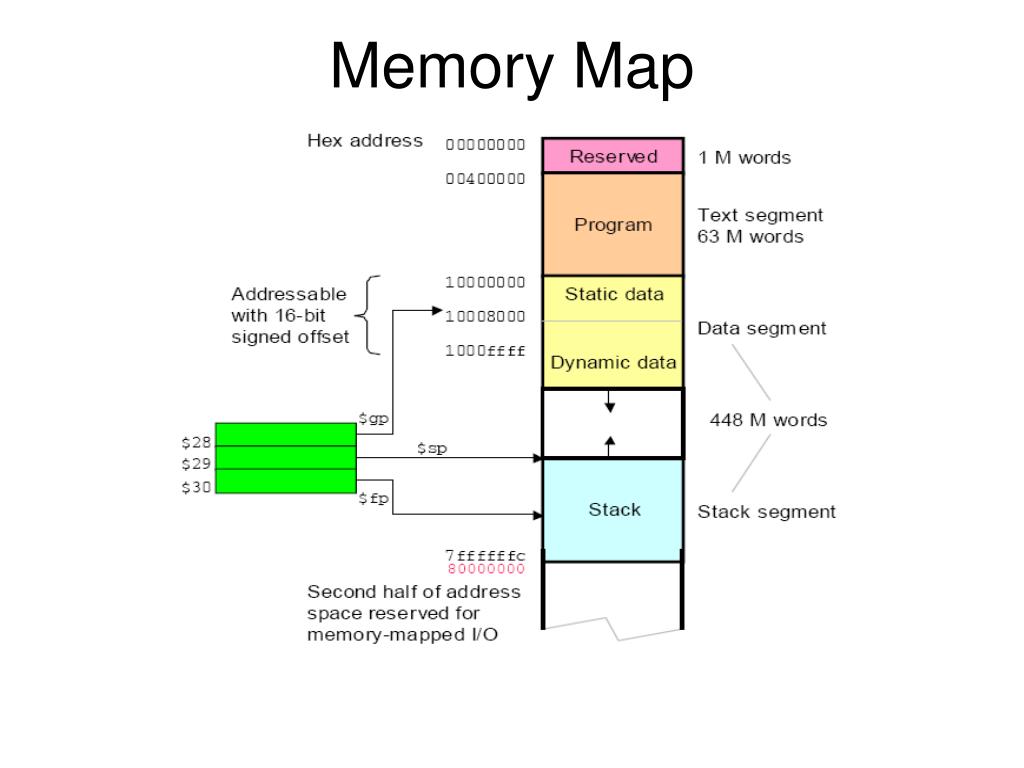
A typical memory map includes key segments: the text (code) segment for instructions, the data segment for initialized global/static variables, the BSS segment for uninitialized global/static variables, the heap for dynamic allocations, and the stack for local variables and function calls. Each segment serves a distinct purpose in facilitating program execution and data storage.
Can a memory map help diagnose software bugs?
Absolutely. By visualizing a program's memory map, developers can effectively diagnose various software bugs. Issues like memory leaks, buffer overflows, and segmentation faults often manifest as abnormal memory usage patterns. Analyzing the memory map helps pinpoint where and why these errors occur, enabling targeted debugging and resolution for improved software stability.
Why is memory mapping important for operating systems?
Memory mapping is crucial for operating systems to manage system resources, provide process isolation, and implement virtual memory. It allows multiple programs to run concurrently without interfering with each other's memory spaces. This fundamental mechanism ensures system stability, security, and efficient hardware utilization, making multitasking possible and reliable for all users.
How do modern CPUs use memory maps?
Modern CPUs utilize memory maps, particularly through their Memory Management Unit (MMU), to translate virtual addresses into physical ones. This process enables virtual memory, allowing programs to access a larger address space than physically available. The MMU works with the operating system to enforce memory protection and manage caching, significantly enhancing overall system performance and security.
Ever wondered how your computer manages all those programs and data running simultaneously? A memory map is essentially a detailed blueprint, showing exactly where everything resides in your computer's memory. It illustrates how the operating system allocates space for different components of a program, from its executable code to the data it processes. This crucial concept helps us understand **how computers function at a fundamental level**, providing insights into performance, stability, and security for users across the United States.
Understanding the Memory Map: Your Digital Landscape
A memory map, at its core, is a graphical or conceptual representation of how a process's virtual address space is laid out. It delineates regions for various purposes, such as program instructions, global variables, dynamically allocated memory, and function call information. This mapping is vital for the operating system to manage resources effectively and protect different programs from interfering with each other. It ensures that your applications run smoothly and securely every single day.
Why Memory Map Understanding is Key for Tech Enthusiasts in the USA
For anyone engaged with technology in the United States, comprehending the memory map offers immense benefits. It empowers software developers to write more efficient and stable code, diagnosing issues like memory leaks or segmentation faults. Gamers can appreciate how their high-performance titles utilize system resources through efficient memory management. Cybersecurity professionals leverage memory maps to identify vulnerabilities and analyze malware behavior, securing our digital future.
Essential Segments of a Memory Map: Decoding Your System's Core
Every memory map for a running program includes several distinct segments, each with a specific role. The **Text or Code Segment** holds the actual machine instructions the program executes. The **Data Segment** stores global and static variables initialized before the program runs. The **BSS Segment** contains uninitialized global and static variables. The **Heap Segment** is for dynamic memory allocation, allowing programs to request memory as needed during execution. Finally, the **Stack Segment** handles local variables and function call information.
Memory Map Layout: A Quick Reference
| Segment Name | Purpose | Common Use Cases |
|---|---|---|
| Text/Code Segment | Stores executable program instructions. | Program logic, function bodies. |
| Data Segment | Stores initialized global and static variables. | Predefined constants, shared data. |
| BSS Segment | Stores uninitialized global and static variables. | Zero-initialized arrays, counters. |
| Heap Segment | Dynamic memory allocation during runtime. | Objects, data structures that grow. |
| Stack Segment | Local variables, function call frames. | Function arguments, return addresses. |
Optimizing Performance with Memory Map Insights
Understanding your memory map empowers you to fine-tune application performance significantly. By observing how memory is allocated and deallocated, developers can pinpoint inefficiencies and optimize resource usage. For instance, reducing unnecessary dynamic allocations on the heap can prevent fragmentation and improve speed. Efficient memory management is crucial for creating responsive and robust software experiences that delight users.
What Others Are Asking?
What is a memory map in computer architecture?
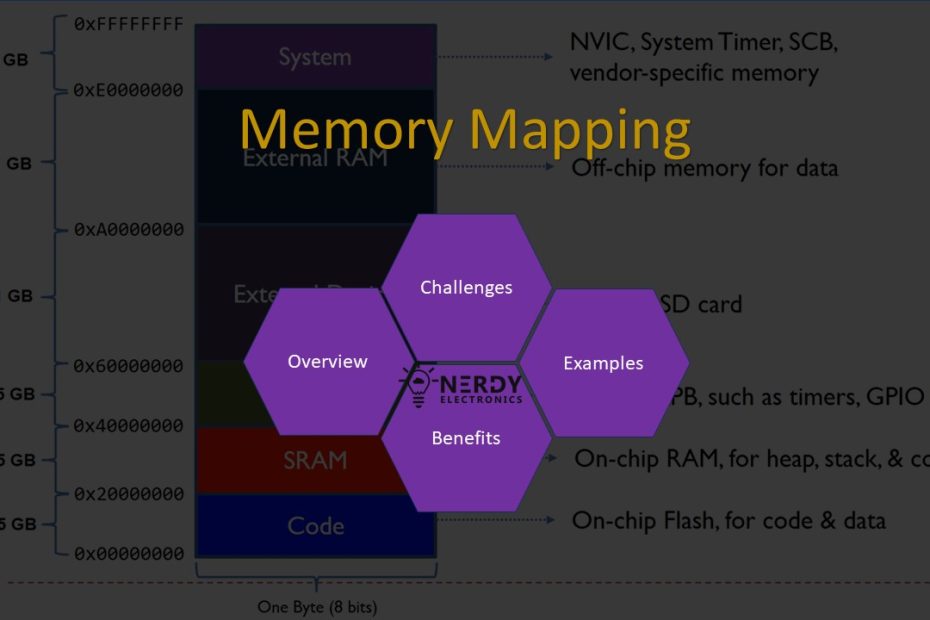
A memory map in computer architecture defines how the computer's memory is organized and accessed. It illustrates the address ranges for various hardware components, RAM, and ROM, enabling the CPU to interact correctly with different parts of the system. This layout ensures efficient data flow and system operation, critical for hardware and software integration.
Why is a memory map important for embedded systems?
Memory maps are exceptionally important for embedded systems due to their resource-constrained nature. They provide a precise layout of limited RAM, ROM, and I/O registers, allowing developers to optimize code and data placement. This detailed understanding helps prevent memory conflicts, ensures real-time performance, and maximizes the efficiency of specialized hardware components.
What are the different types of memory mapping?
Memory mapping generally refers to the process of associating virtual memory addresses with physical memory addresses. Key types include direct mapping, associative mapping, and set-associative mapping, primarily used in CPU cache design. Another common type is memory-mapped I/O, where hardware registers are accessed as if they were memory locations, simplifying device communication.
How does virtual memory relate to a memory map?
Virtual memory uses a memory map to translate virtual addresses generated by a program into actual physical addresses in RAM. This abstraction allows programs to access more memory than physically available and provides protection between processes. The operating system manages this complex translation using page tables, making the memory map a core concept.
What is a memory map used for in programming?
In programming, a memory map is used to understand how a program's data and instructions are arranged in memory. It helps developers debug issues, optimize memory usage, and prevent common errors like buffer overflows. Knowing the memory layout is crucial for writing efficient, secure, and performant applications, impacting everything from small scripts to large enterprise software.
FAQ: Delving Deeper into the Memory Map
What is a memory map?
A memory map is a blueprint showing how a computer's memory is organized for a running program or the system as a whole. It outlines distinct sections for code, data, stack, and heap, crucial for system operation and software execution.
Who uses memory maps?
Software developers, system architects, cybersecurity professionals, and even advanced tech enthusiasts use memory maps. They are essential for debugging, performance optimization, and understanding operating system memory management.
Why is a memory map necessary?
Memory maps are necessary for managing computer resources efficiently, preventing conflicts between programs, and protecting system integrity. They provide the structure for how data and instructions are stored and accessed, ensuring stable and secure operation.
How do I interpret a memory map?
To interpret a memory map, you look for distinct segments like code, data, heap, and stack. Each segment has a specific address range and purpose. Understanding these divisions helps in diagnosing issues or optimizing resource allocation for better performance.
Where can I find my system's memory map?
You typically don't "find" a single universal memory map easily as an end-user. Developers use specific tools like debuggers or system utilities (e.g., /proc/pid/maps on Linux) to view the memory map for a particular process or hardware configuration.
Summary of Key Memory Map Insights
The memory map is a fundamental concept illustrating the organization of computer memory. It defines how programs' code, data, stack, and heap segments are allocated, crucial for system performance, debugging, and security. Understanding this blueprint empowers users and developers to optimize software, troubleshoot issues, and gain deeper insights into how digital systems operate. It truly is the unsung hero of stable computing.
Memory maps visualize computer memory organization. They show code, data, stack, and heap segments. Critical for software development and debugging. Essential for understanding operating system memory management. Improves performance optimization and cybersecurity awareness. Helps identify memory leaks and vulnerabilities.
 Micron Roadmap Lists Gb Gbps GDDR Memory Arriving In Late And Micron Roadmap Lists gb gbps Gddr Memory Arriving In V
  Group MIPS Topic Modified Harvard In Memory Map L
  Memory Calendar Andrews Chris Books Amazon Ca SY SX
  News Rumor Hardware PlayStation To Utilize AMD S D Stacked
  Memory Map User Guide Pt Lonewalker x
  Mapping Memory Circuits Projects Memory Mapping x
  World Map With Country Names Stable Diffusion Online b fd A
  How World Cup Will Work With Matches Six Games A Day And Tp Graphic World Cup Map New
  Introducing The Senate Interactive Map toWin Senate Incumbent
  Total Lunar Eclipse March All You Need To Know Space Telescope Visibility Map For The Total Lunar Eclipse On March x
  Ontario Plans New OINP Streams IMCA Consultancy Ontario Plans New Oinp Streams